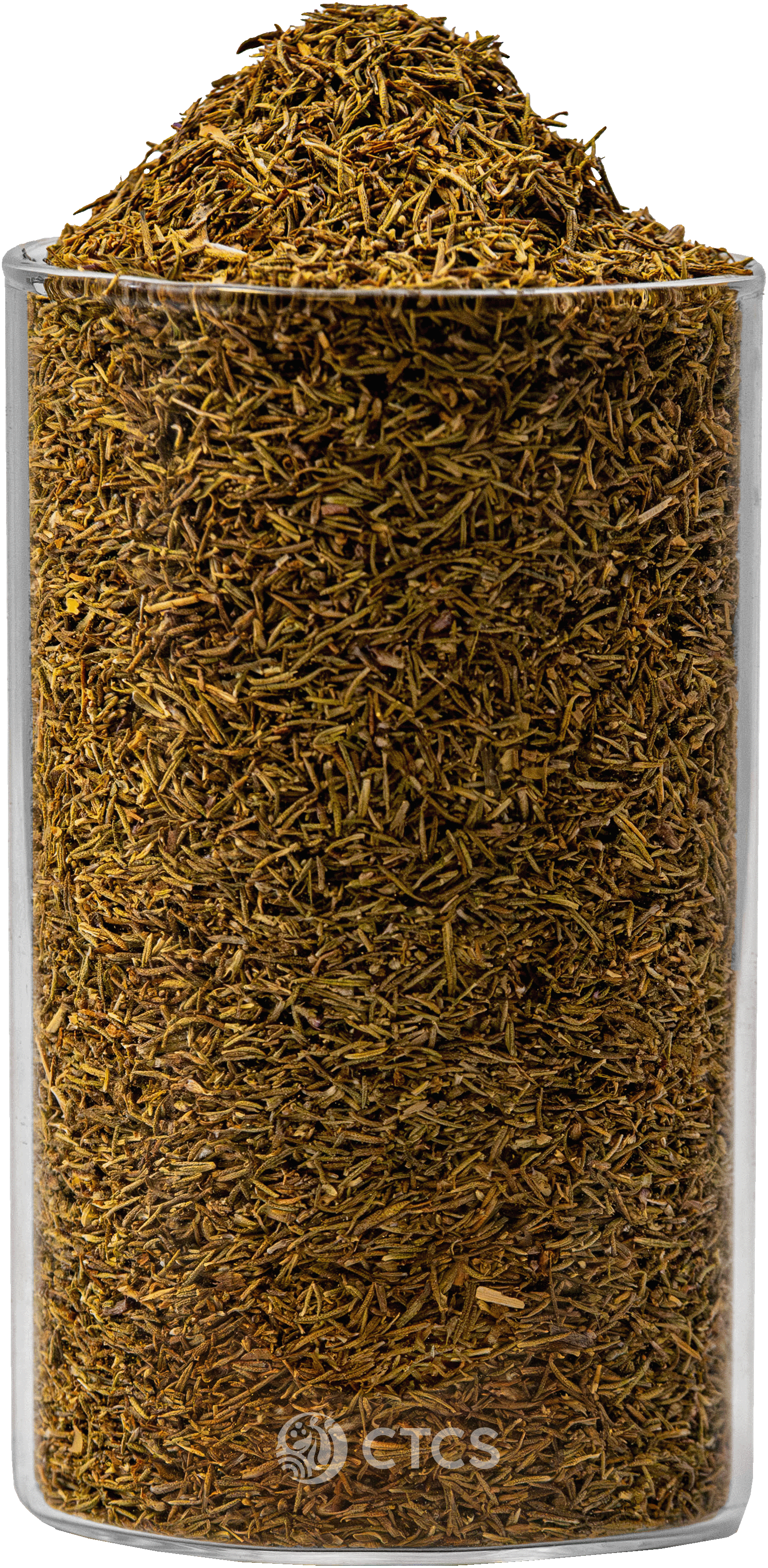
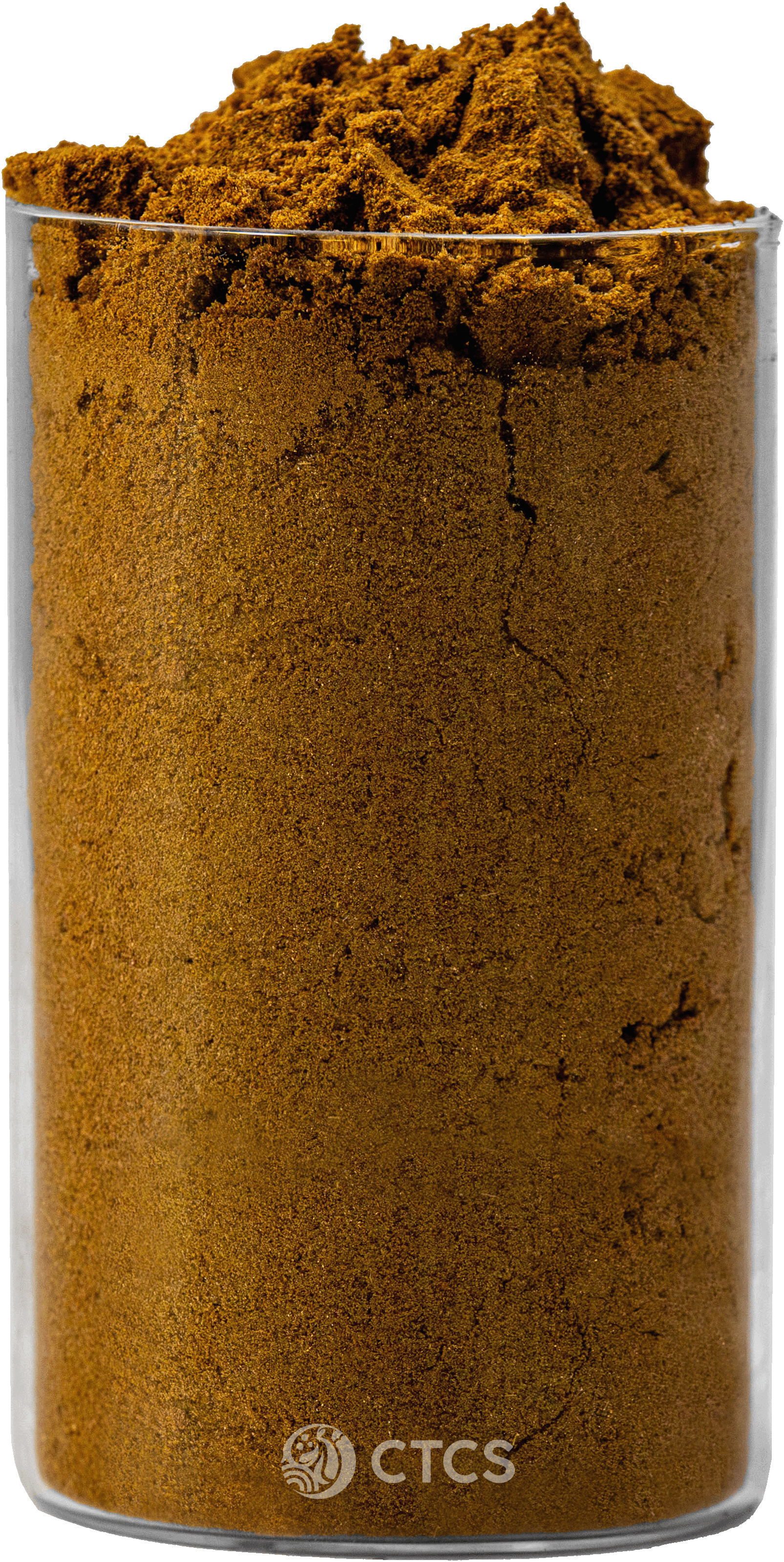
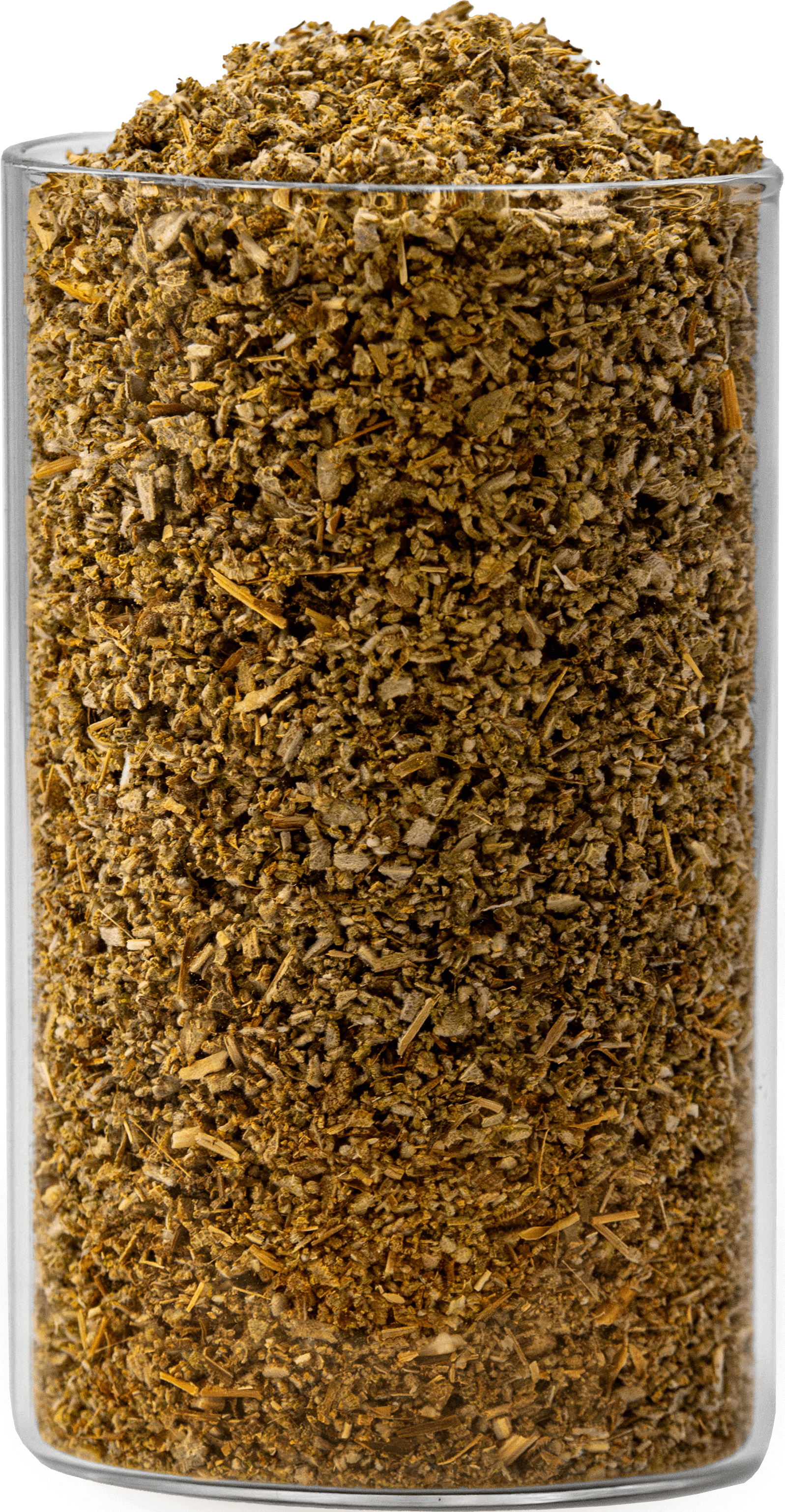
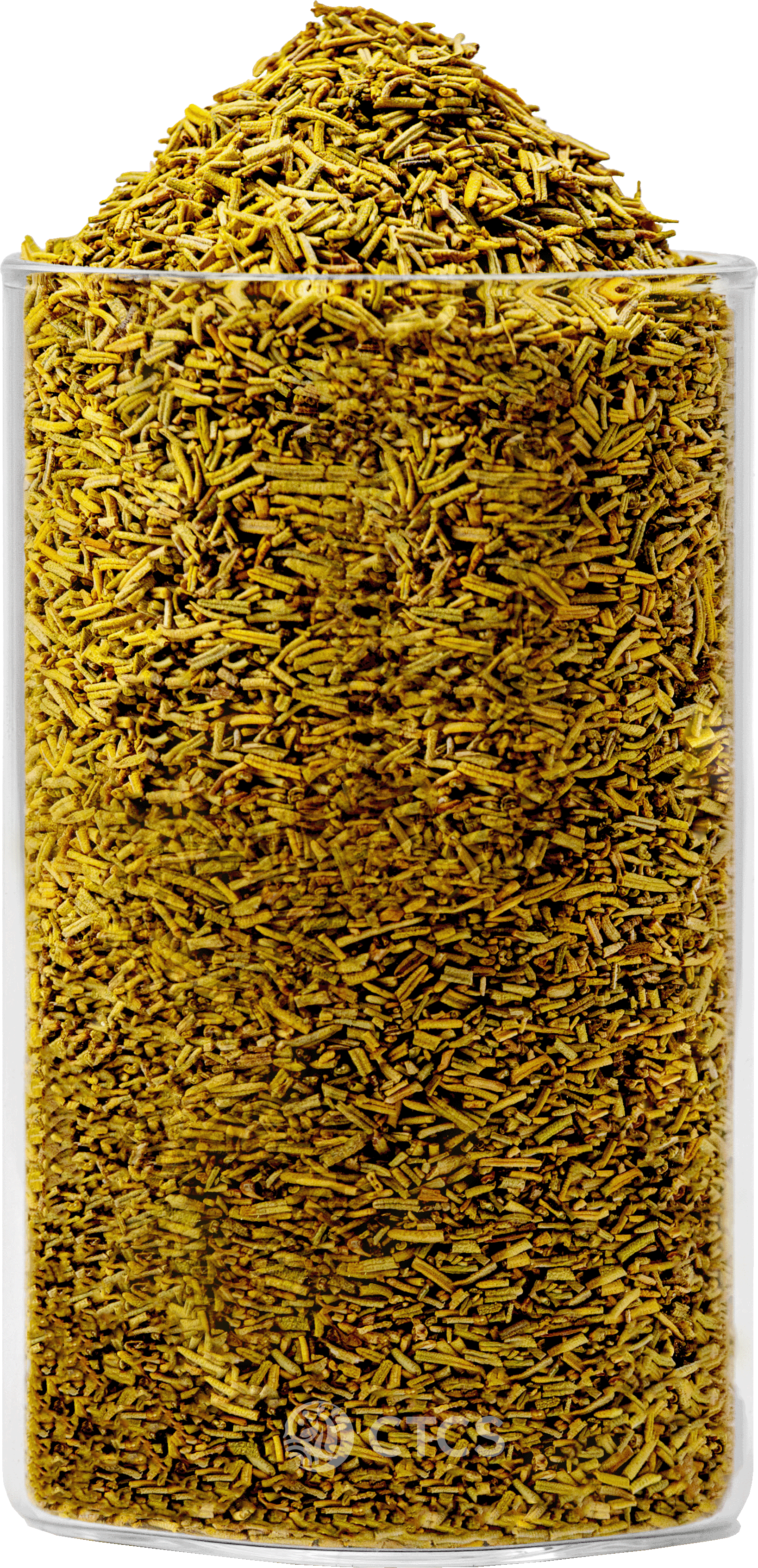
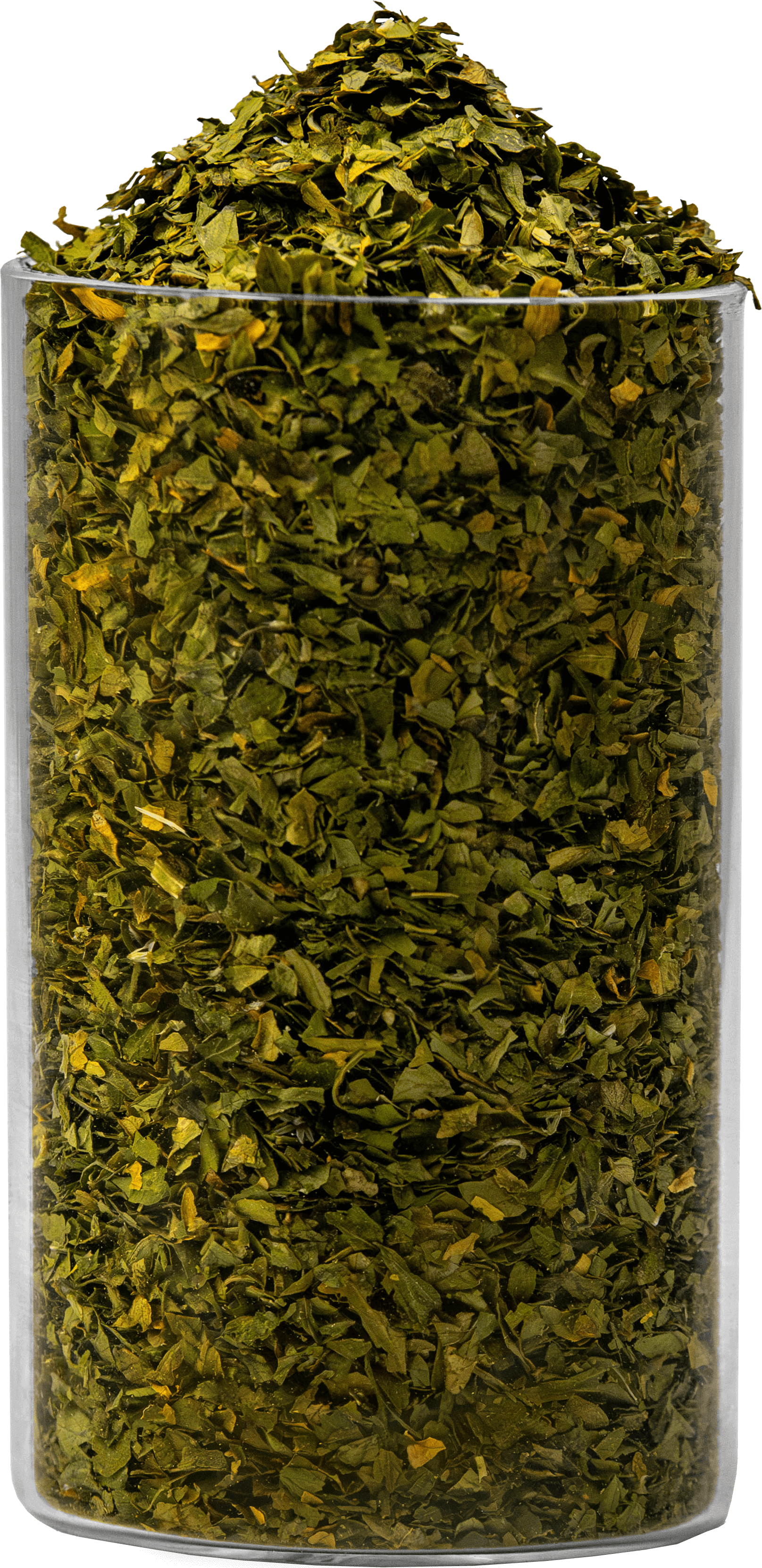
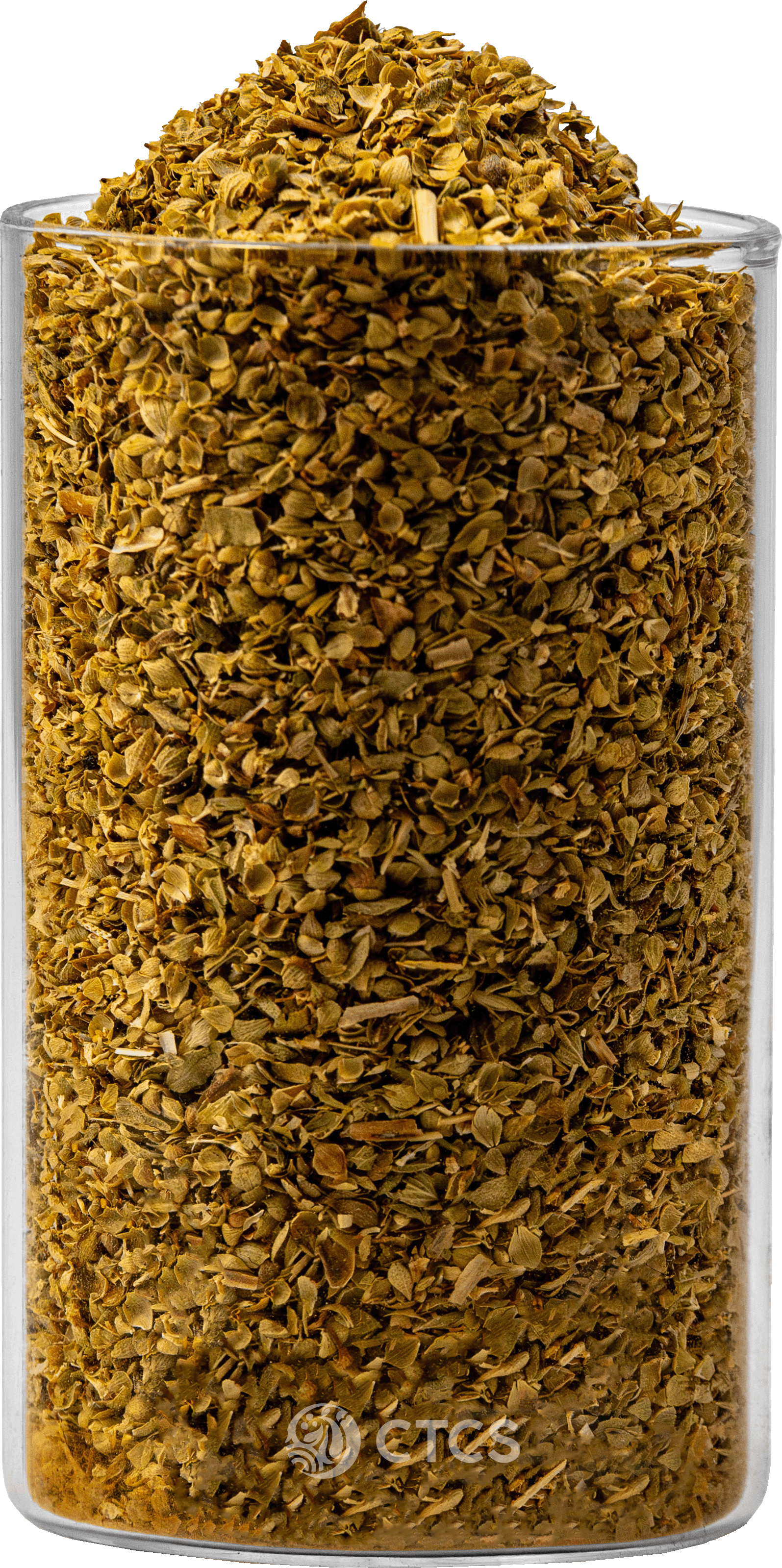
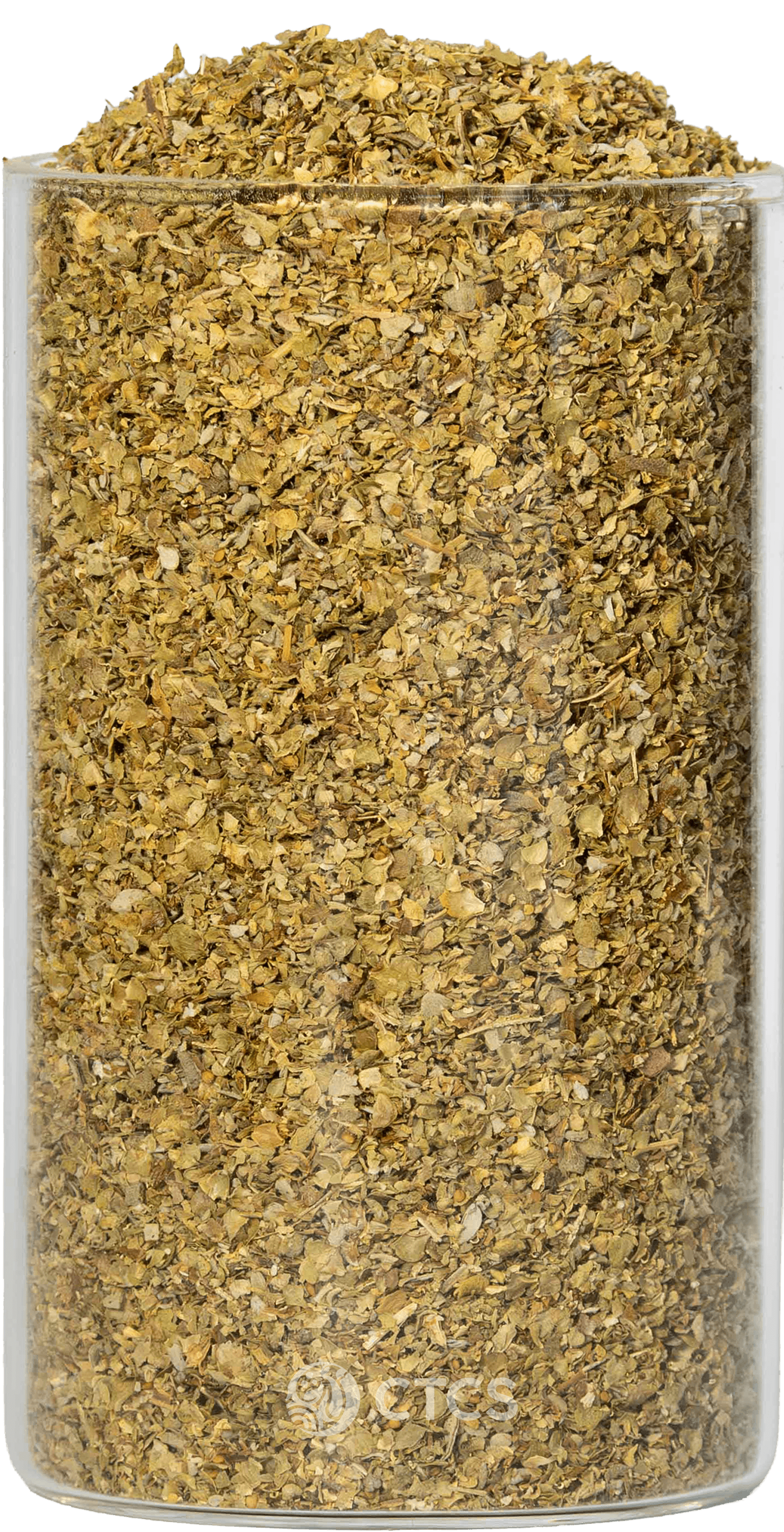
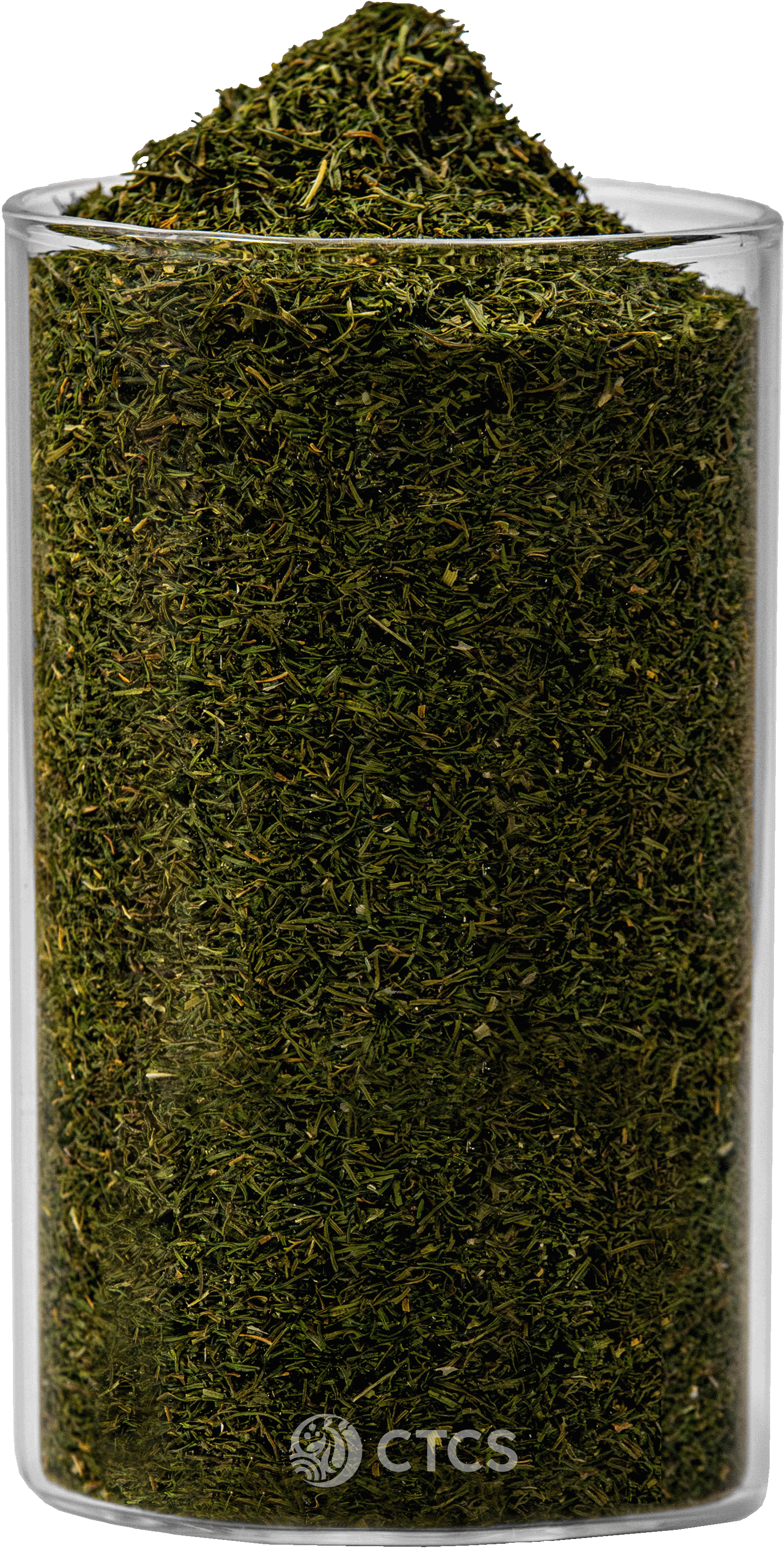
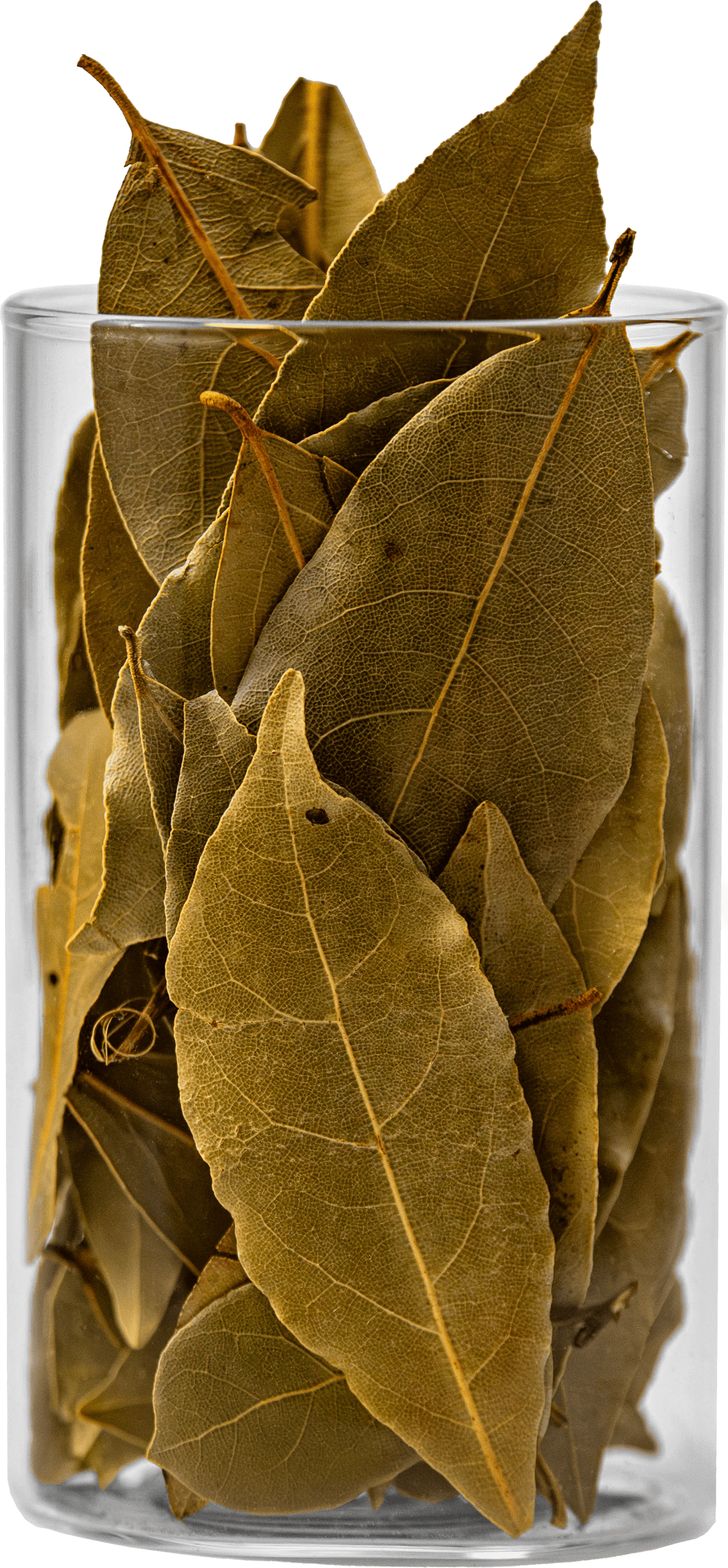
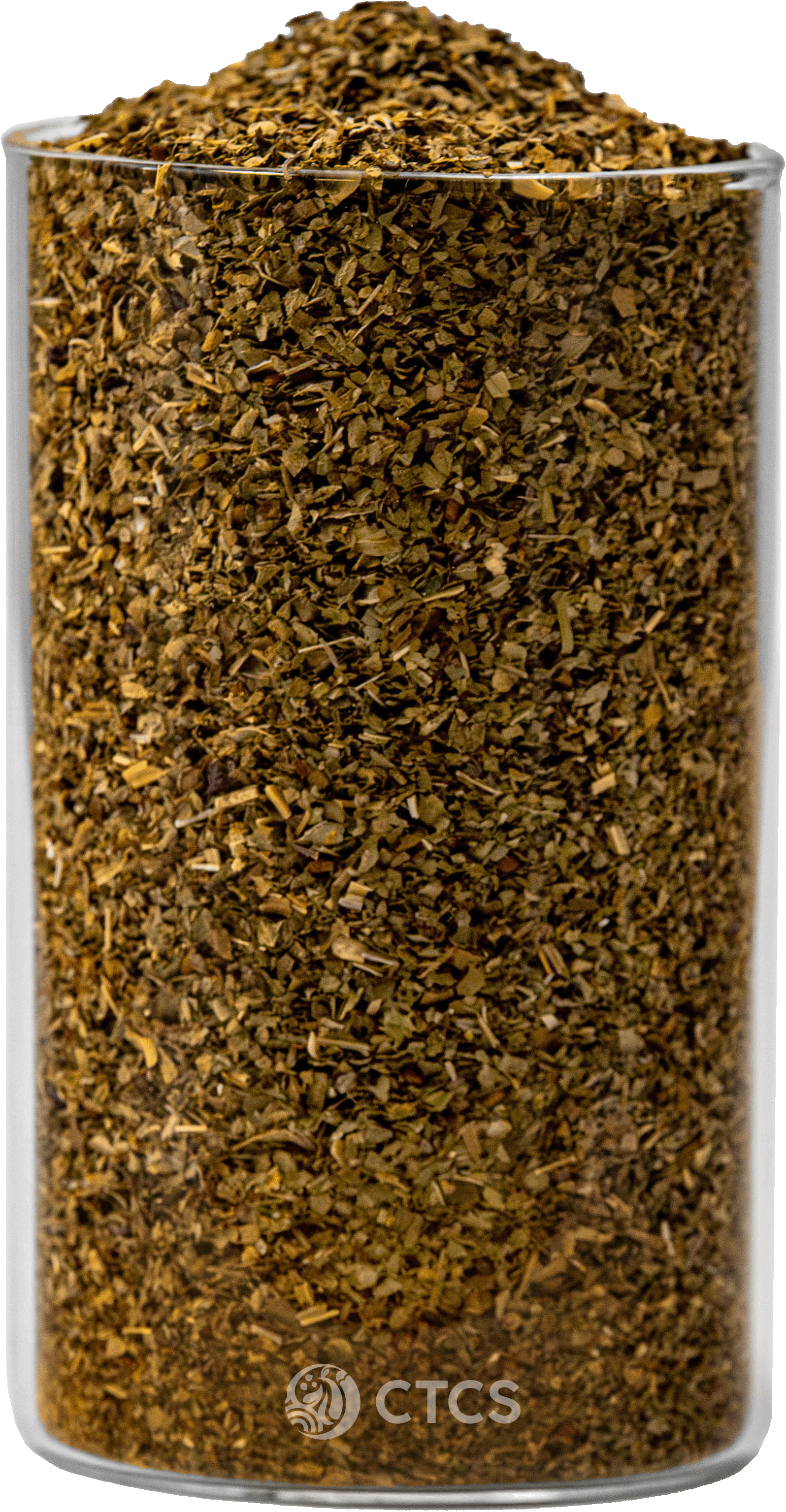
Dried basil, derived from the leaves of the Ocimum basilicum plant, originates from the warm regions of Asia. Our dried basil specifically comes from Egypt, a country renowned for its ideal climate for cultivating this aromatic herb. The warm, sunny conditions in Egypt allow the basil leaves to develop a rich and robust flavor, making it a premium choice. Dried basil offers a more concentrated taste compared to fresh basil, making it perfect for long-term storage and use in the kitchen.
BASIL
Origin
Egypt
Varieties
- Leaves: Whole dried leaves retain much of their aroma and are ideal for use in cooking, especially in simmered dishes.
- Ground: Finely ground dried basil is available for applications where a smoother texture is desired, such as in spice blends, marinades, or dressings.
Applications
Dried basil is an incredibly versatile herb and is widely used in a variety of culinary applications. It is a key ingredient in tomato-based dishes, such as sauces and pesto, and enhances the flavor of soups, stews, and casseroles. It is also an excellent seasoning for meat, fish, and roasted vegetables. Additionally, dried basil adds an aromatic boost to salads, vinaigrettes, and even baked goods.
Production
The production of dried basil begins with the careful harvesting of the leaves, typically timed just before the plants flower to ensure peak flavor and aroma. The leaves are dried in a well-ventilated environment to prevent mold and spoilage. Once dried, the basil is sifted to remove impurities like twigs and dust, ensuring a high-quality product. The process for ground basil involves further grinding the dried leaves to achieve a fine consistency.
Annual Harvest
Basil is harvested once a year, with the timing depending on climate and growth conditions. In Egypt, the optimal harvest occurs during the summer months, when the leaves have the most intense flavor and aroma. The freshness and quality of the dried basil, whether in leaf or ground form, are crucial to maintaining its distinctive characteristics for culinary use.