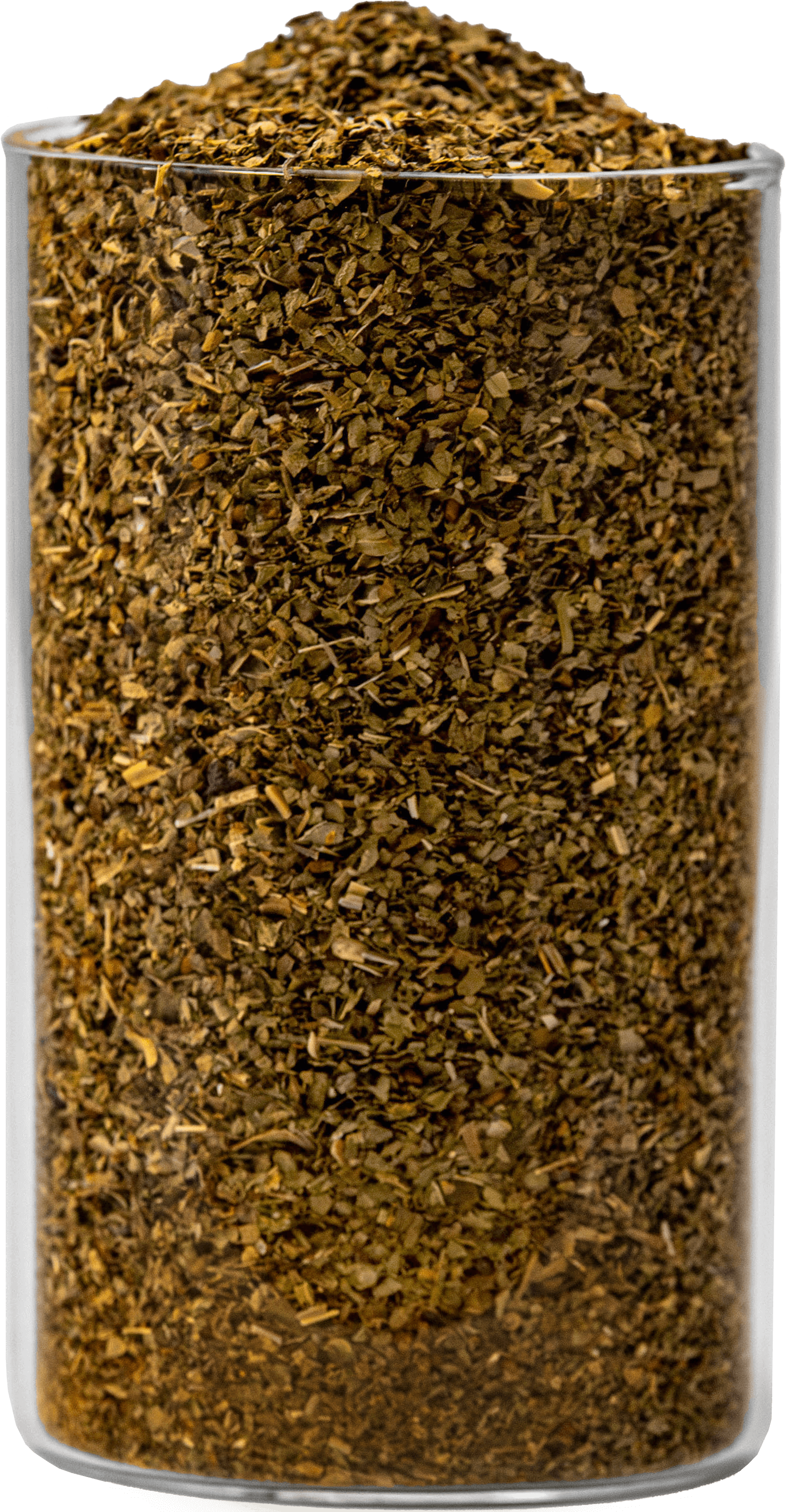
Marjoram, derived from the plant Origanum majorana, is a fragrant herb native to the Mediterranean region and is primarily cultivated in Egypt. Known for its sweet, slightly citrusy flavor, marjoram has been a cherished ingredient in culinary traditions for centuries. This herb adds a delicate aroma and flavor to a variety of dishes, making it a staple in Mediterranean cuisine and beyond.
MARJORAM
Origin
Egypt
Varieties
Marjoram is typically available in one main form:
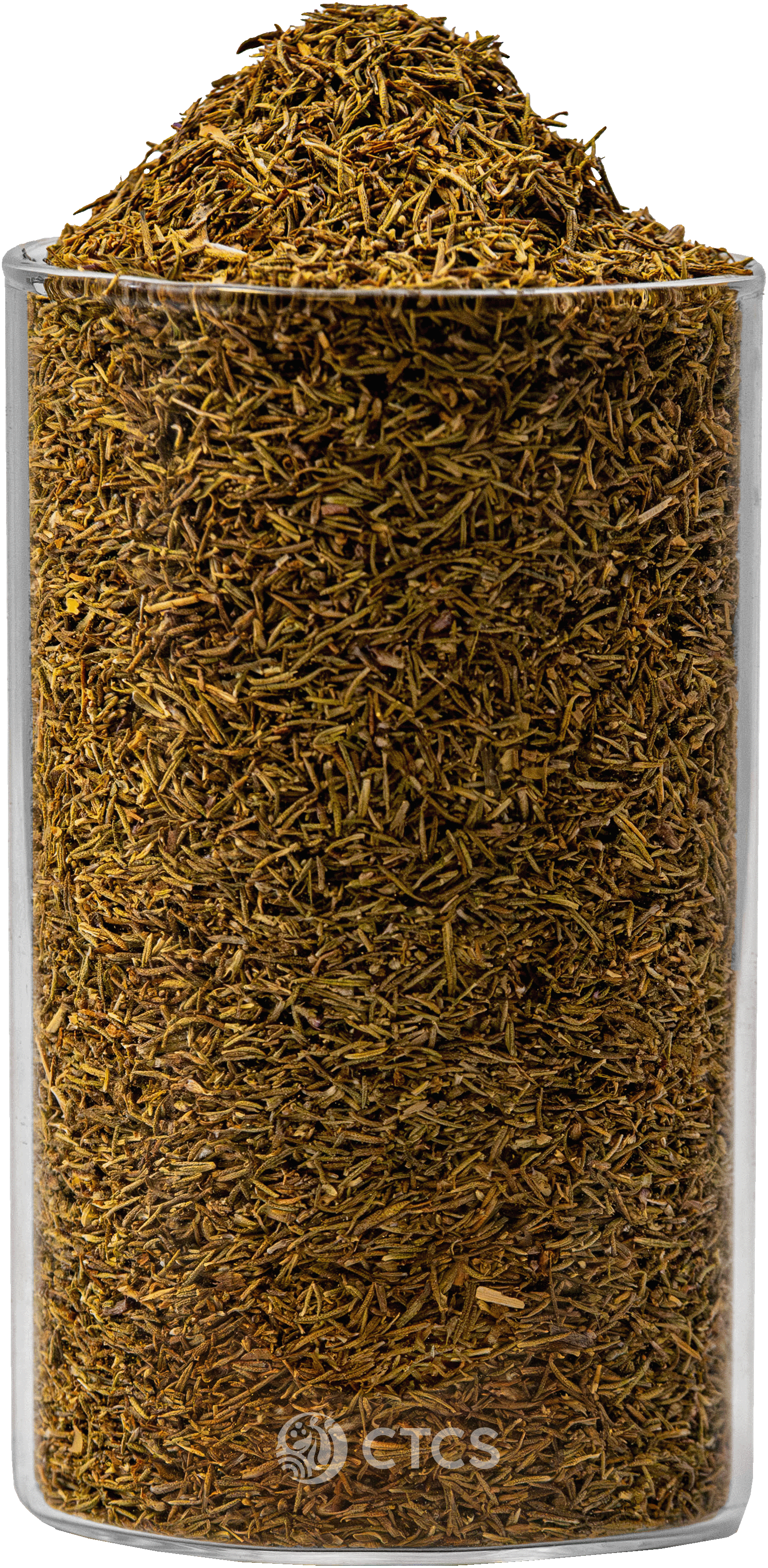
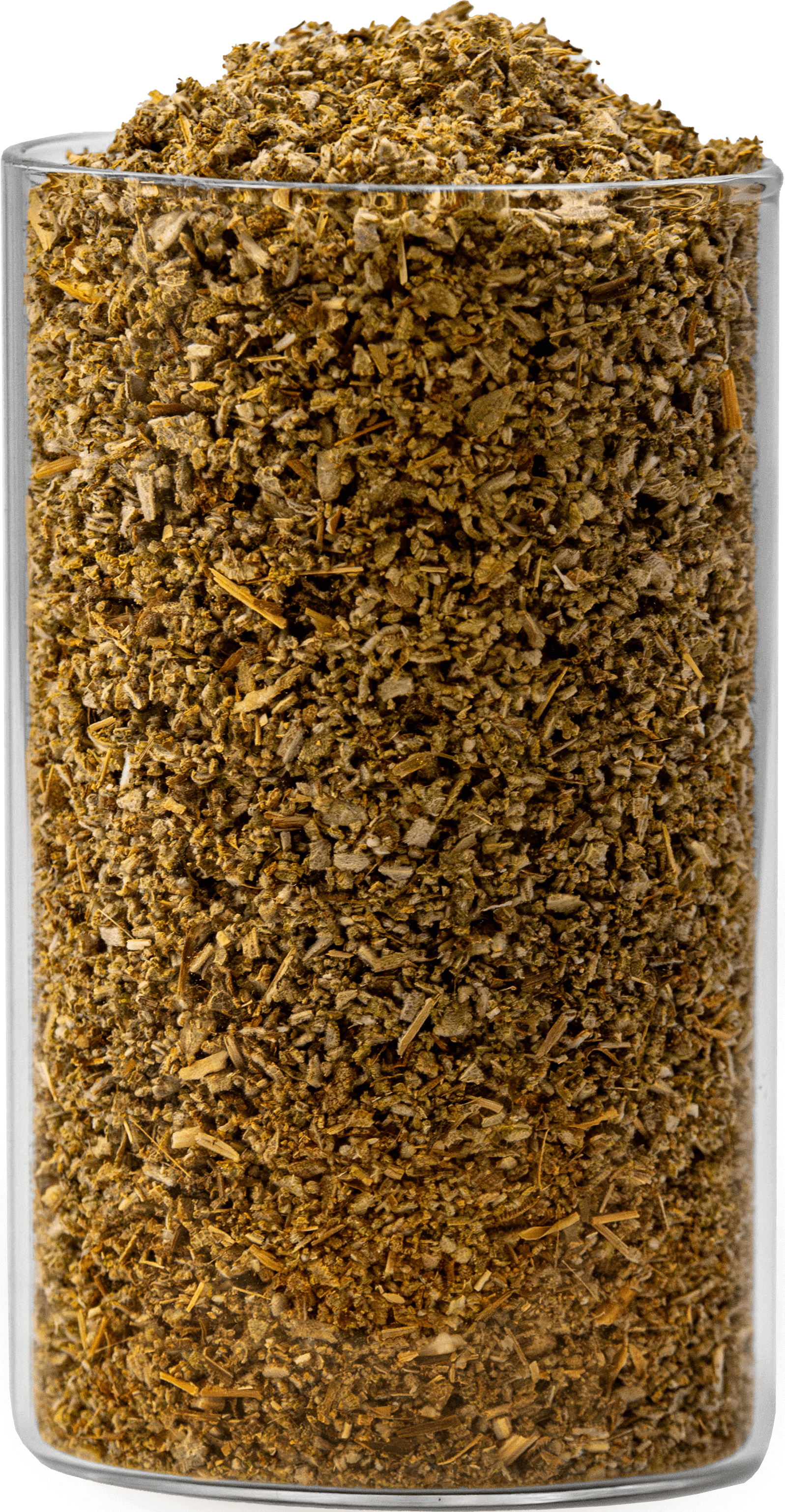
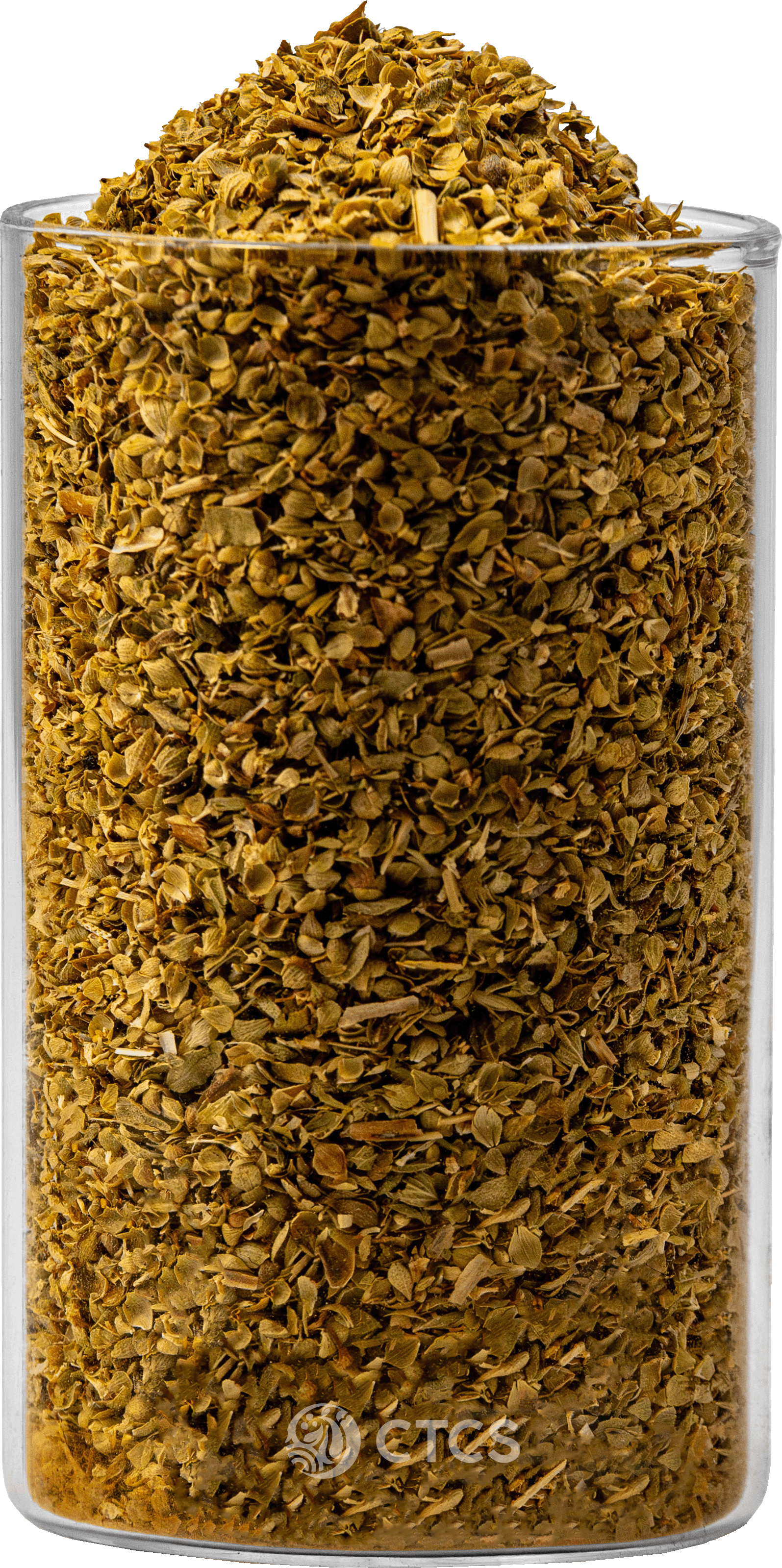
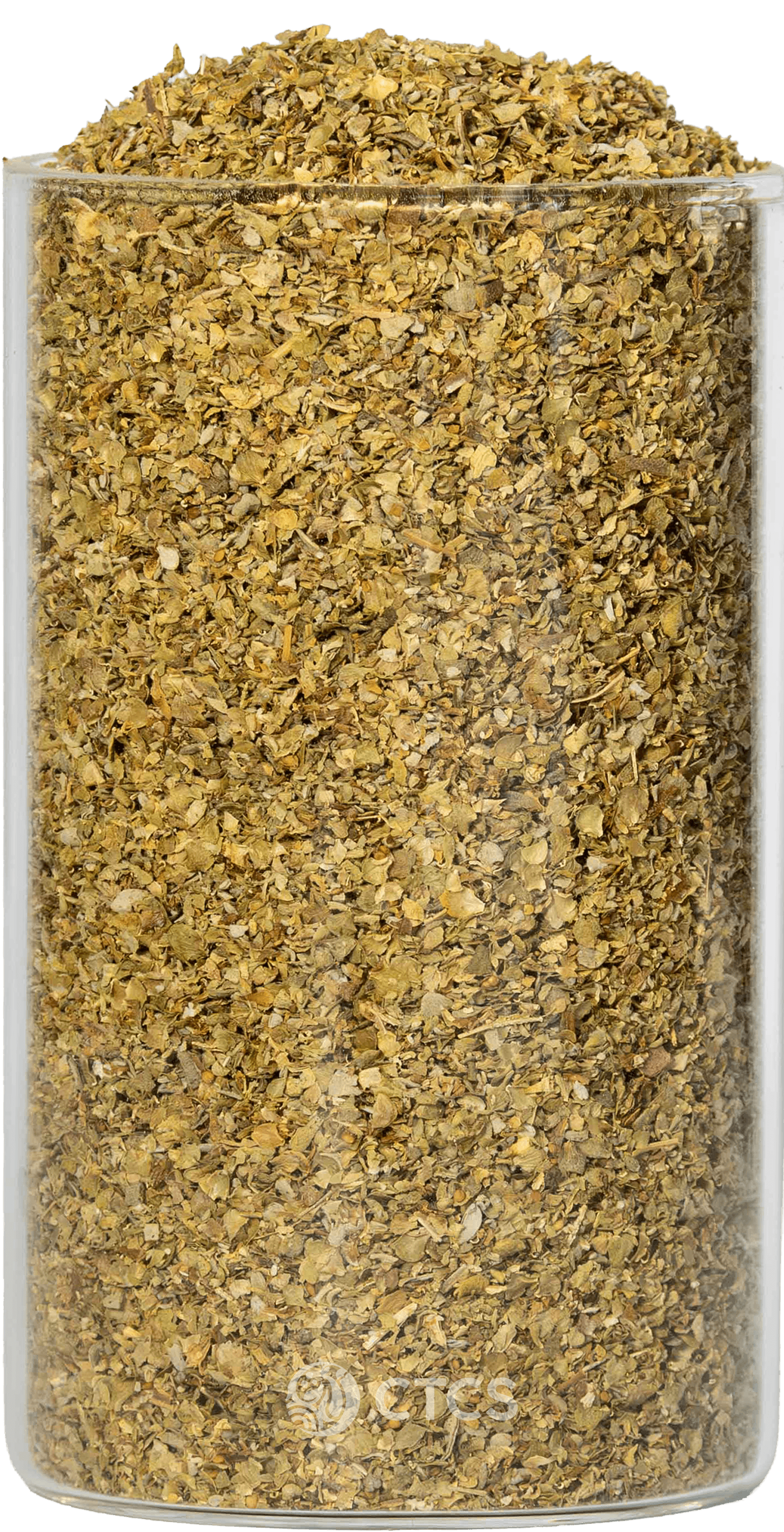
- Cut: This form consists of dried marjoram leaves that are cut into smaller pieces, allowing for easier incorporation into recipes. Cut marjoram retains its aromatic qualities and provides a gentle, warm flavor to dishes.
Applications
Marjoram is a versatile herb used in various culinary applications. Cut marjoram is often added to soups, stews, and sauces, enhancing the overall flavor profile with its sweet and aromatic notes. It pairs well with meats, particularly poultry and lamb, and is commonly used in seasoning blends, marinades, and dressings. Additionally, marjoram can be sprinkled over vegetables or used to flavor roasted dishes, adding depth and complexity.
Production
The production of marjoram begins with the cultivation of the marjoram plant, which thrives in well-drained soil and requires plenty of sunlight. The leaves are harvested when they are fully mature and aromatic. After harvesting, the leaves are dried and cut into smaller pieces, preserving their flavor and fragrance for culinary use.
Annual Harvest
Marjoram is typically harvested once a year, with the timing depending on local climate and growing conditions. The best time for harvesting marjoram is usually in late summer, ensuring the leaves are fully developed and flavorful. Freshly cut marjoram is best used soon after processing to maintain its vibrant aroma and taste.