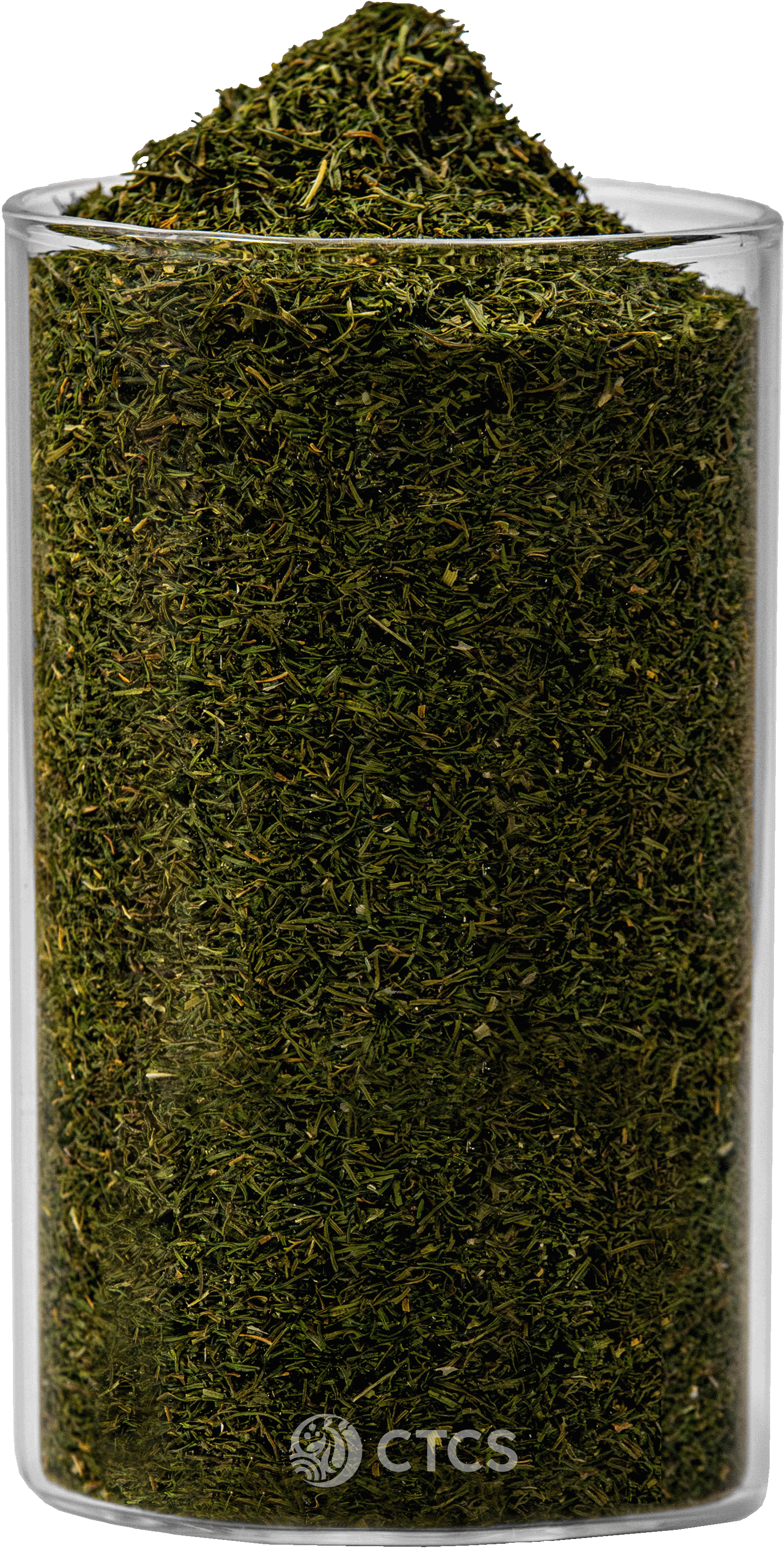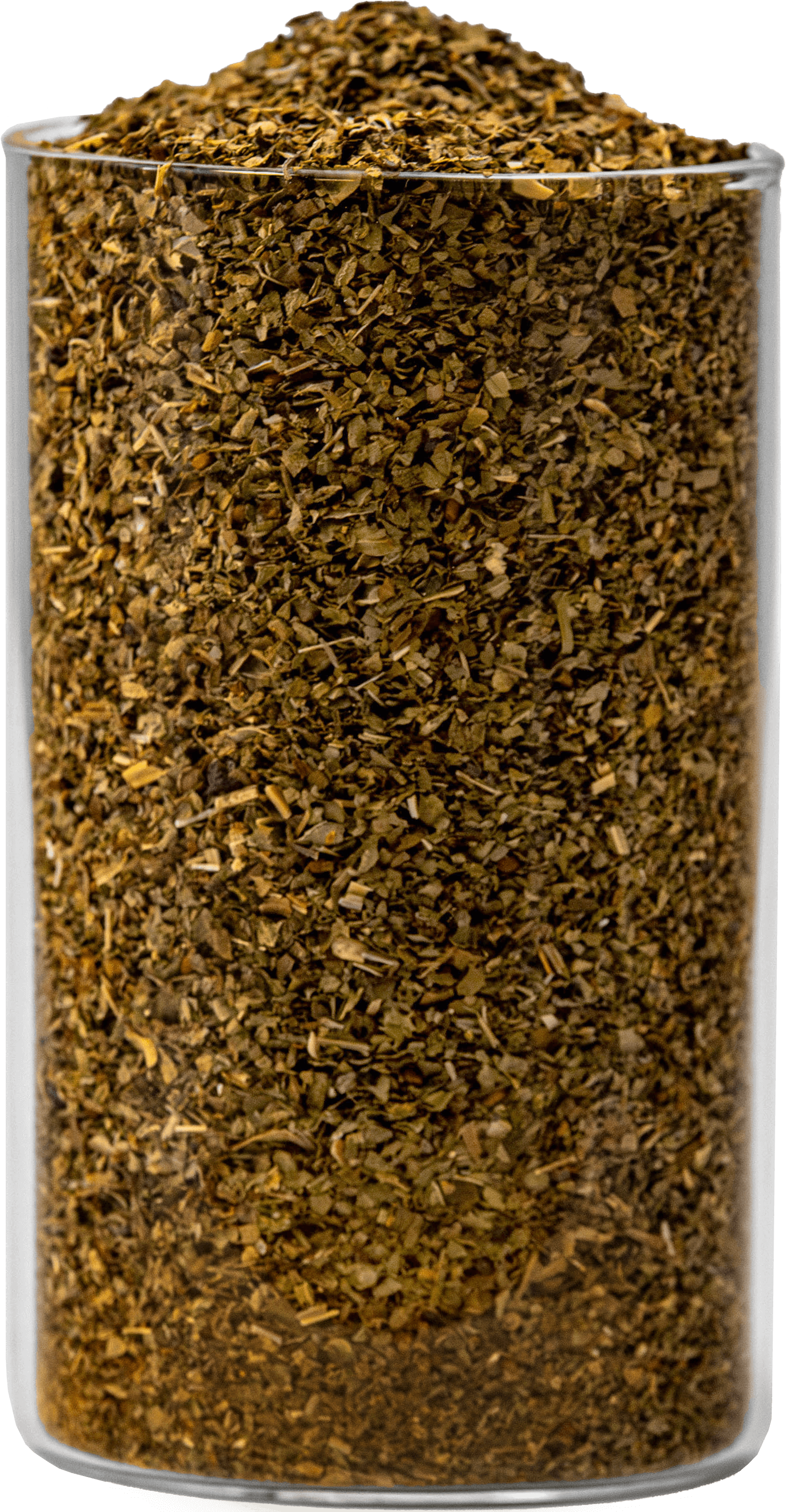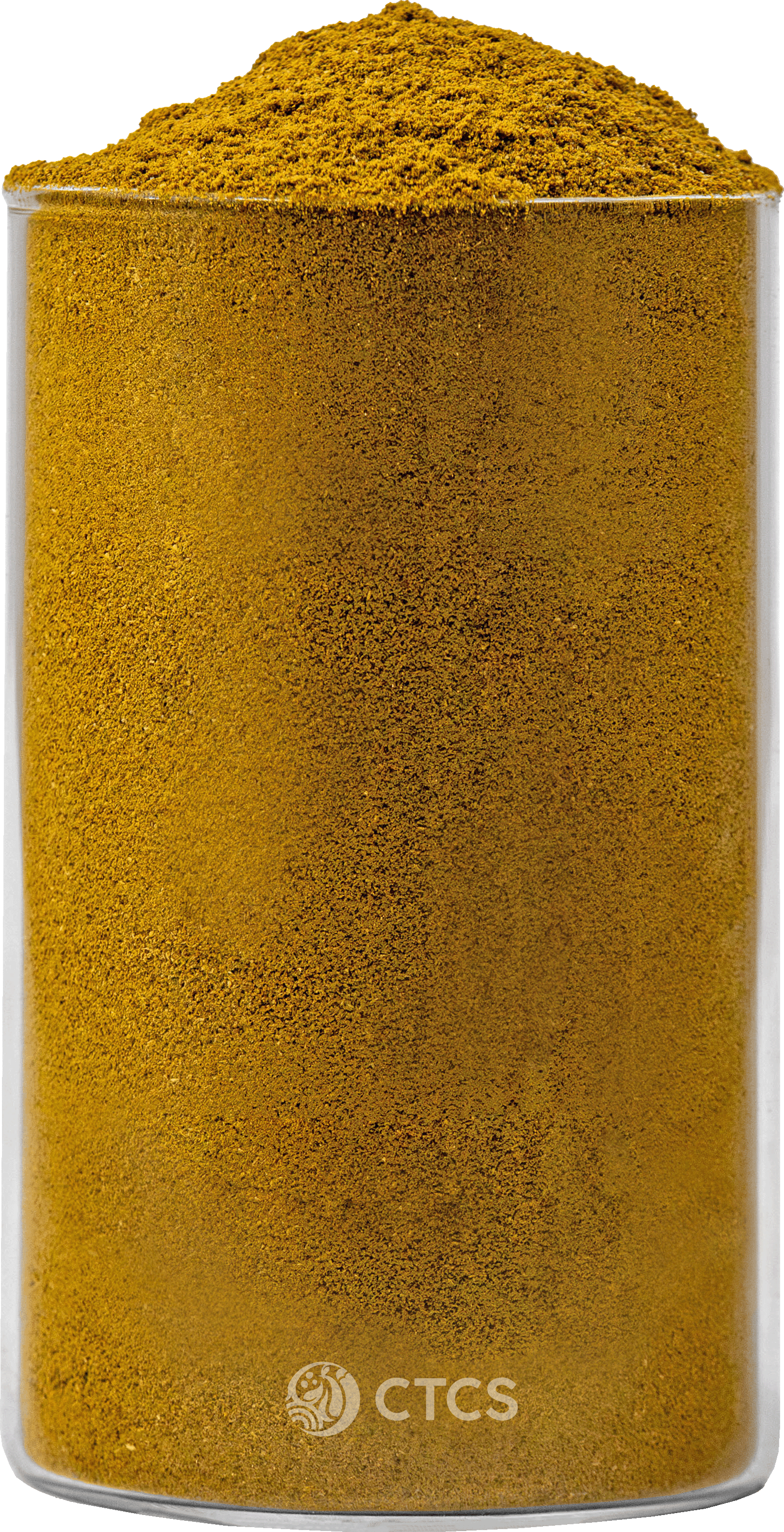
Laurel
Origin
Laurel, derived from the leaves of the Laurus nobilis tree, is a fragrant herb native to the Mediterranean region and primarily cultivated in Turkey. Known for its aromatic properties, laurel leaves have been used in culinary traditions for centuries, imparting a unique flavor to a variety of dishes. Both whole laurel leaves and ground laurel offer distinctive qualities, making them a staple in many kitchens.
Turkije
Varieties
Laurel is available in two main forms:
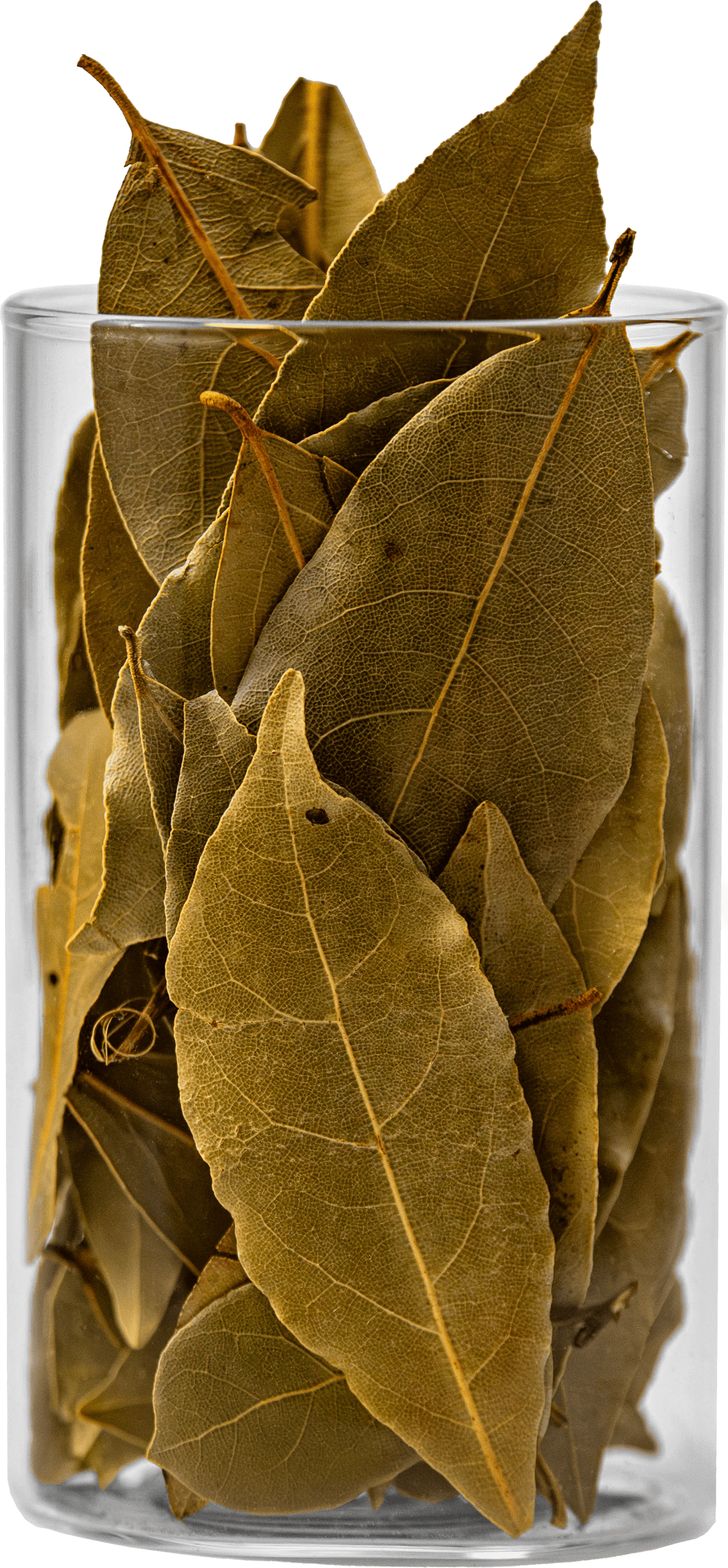
Whole:
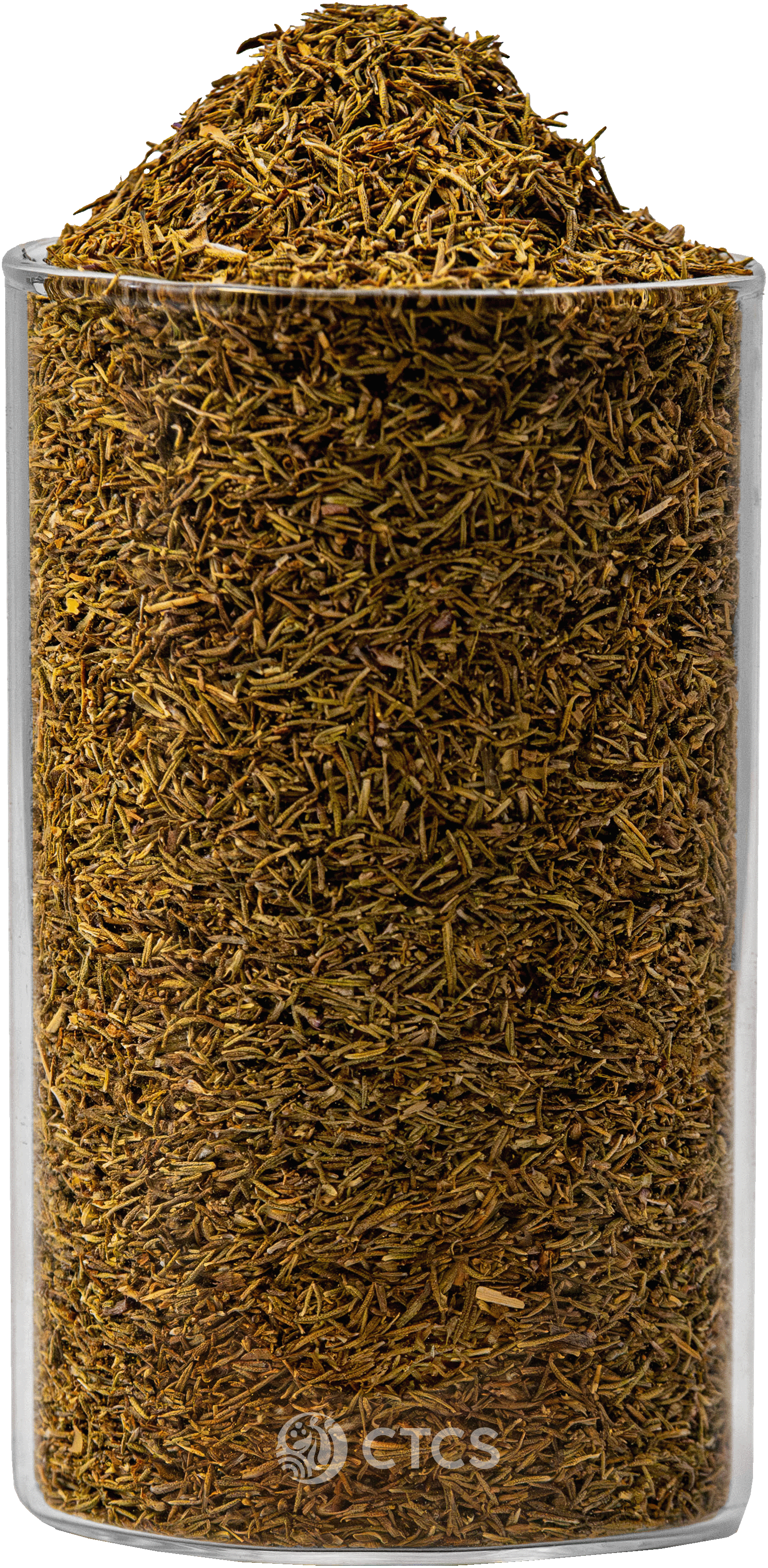
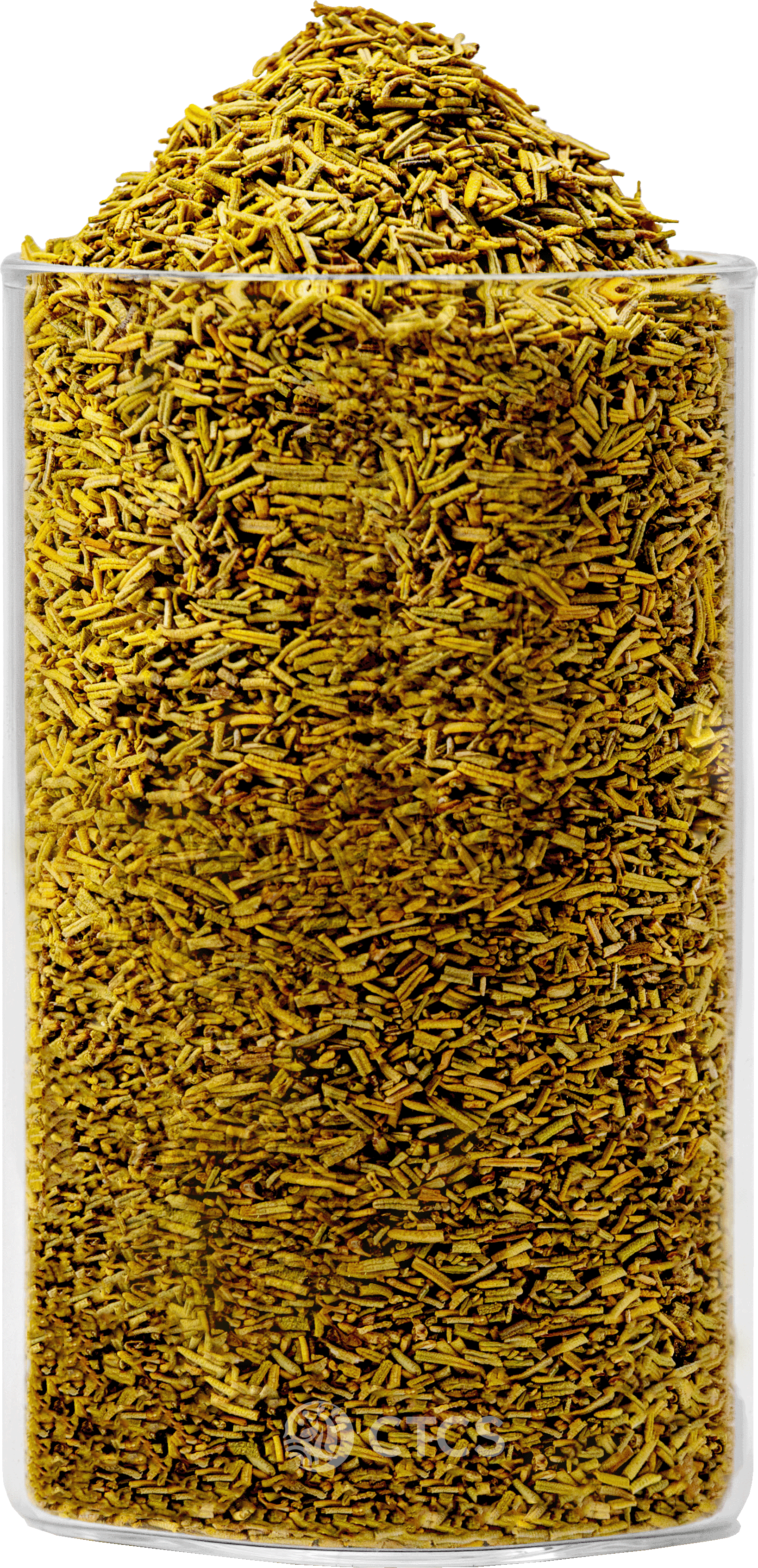
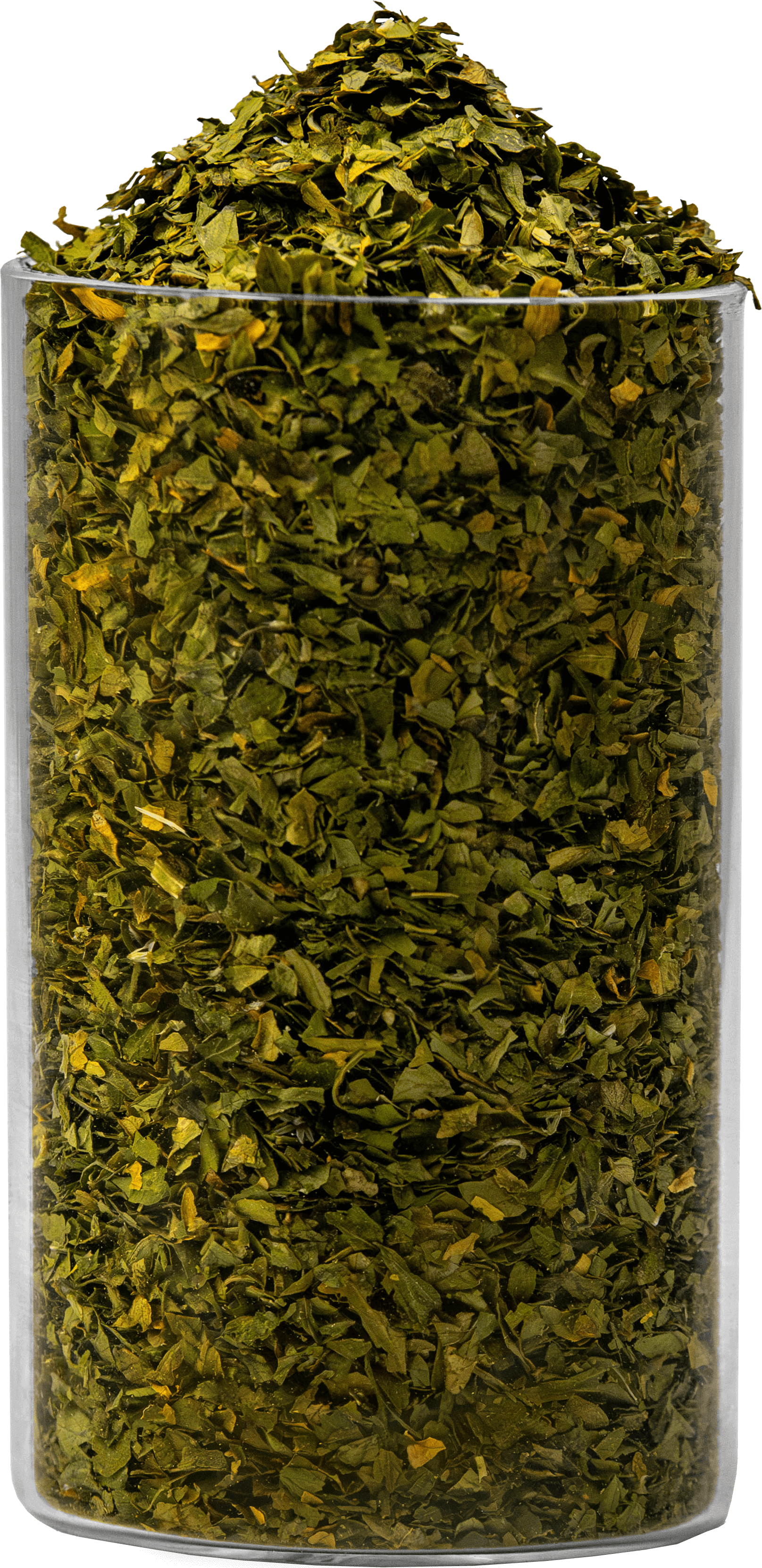
These dark green, glossy leaves provide a subtle, aromatic flavor when used in cooking. Whole leaves are often added to soups, stews, and braises, allowing their flavor to infuse the dish gradually.
Ground:
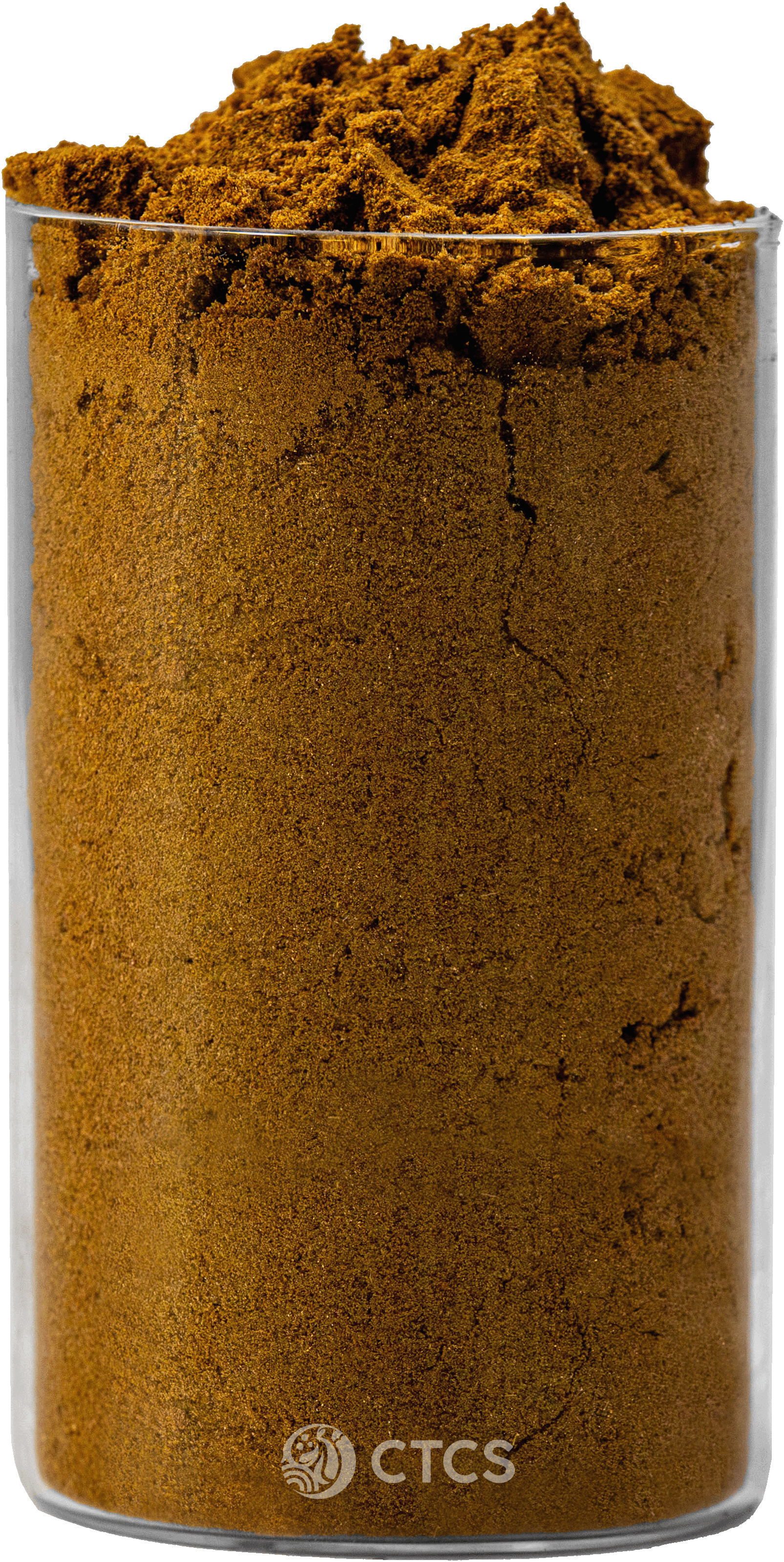
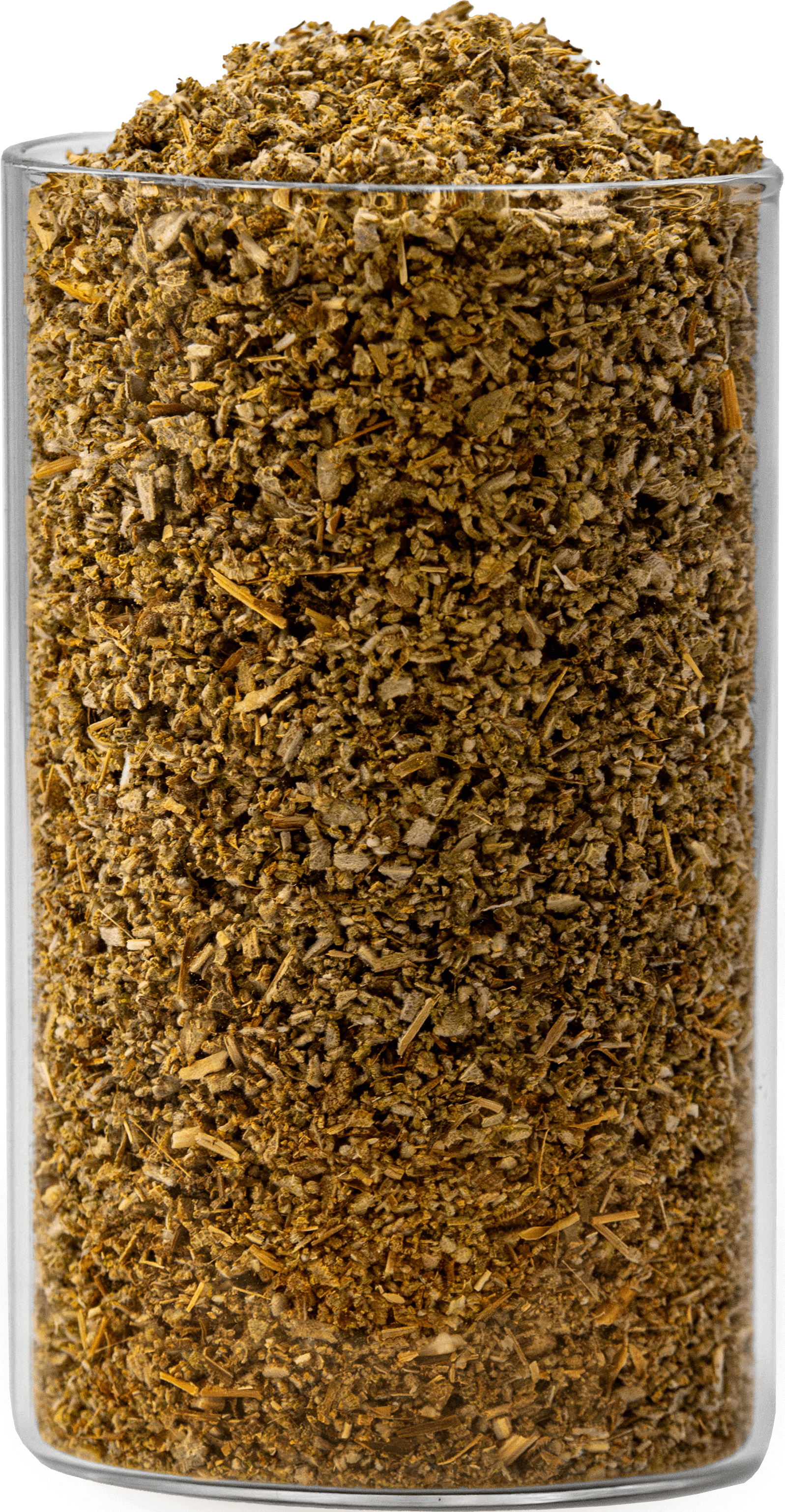
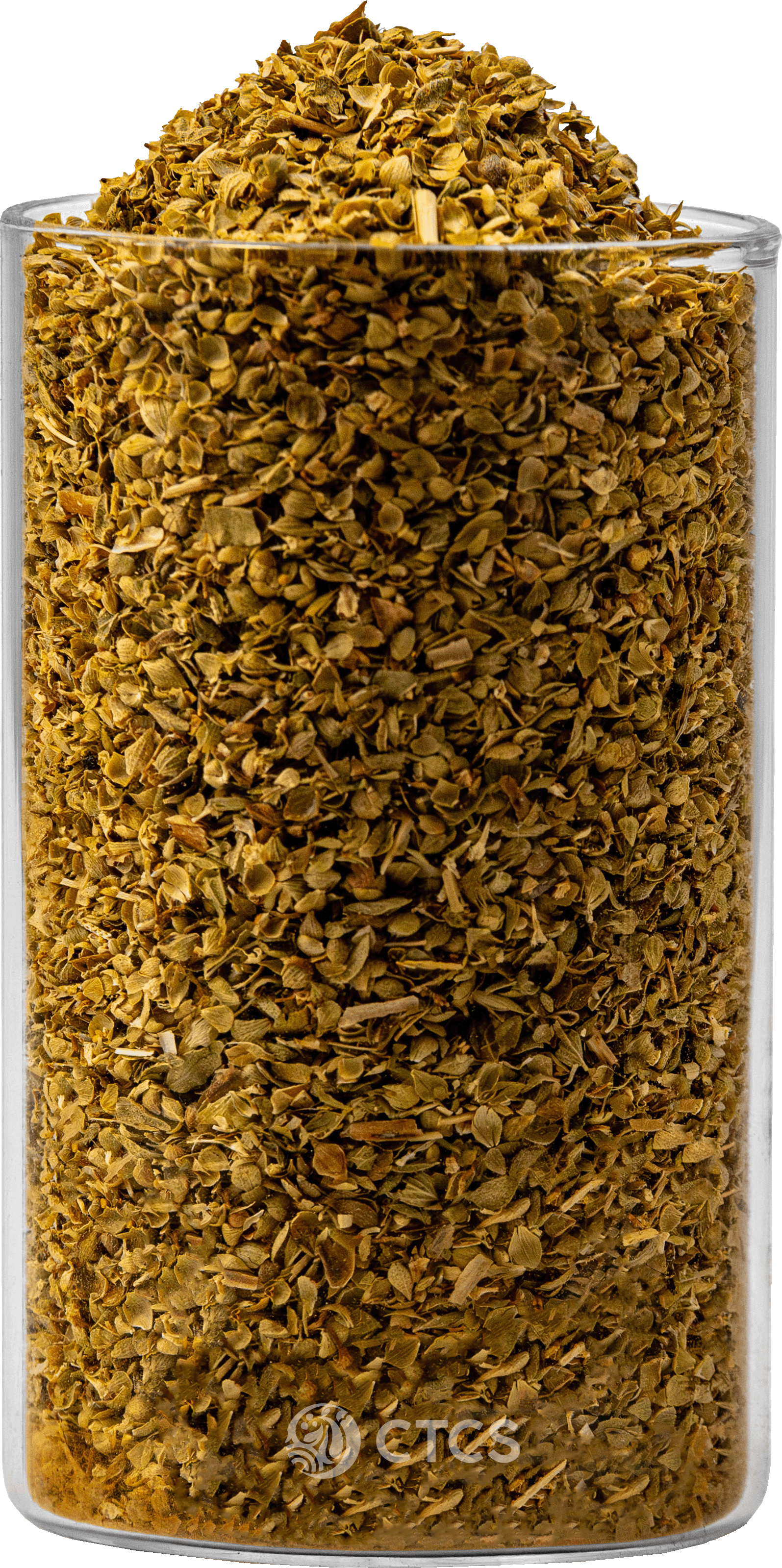
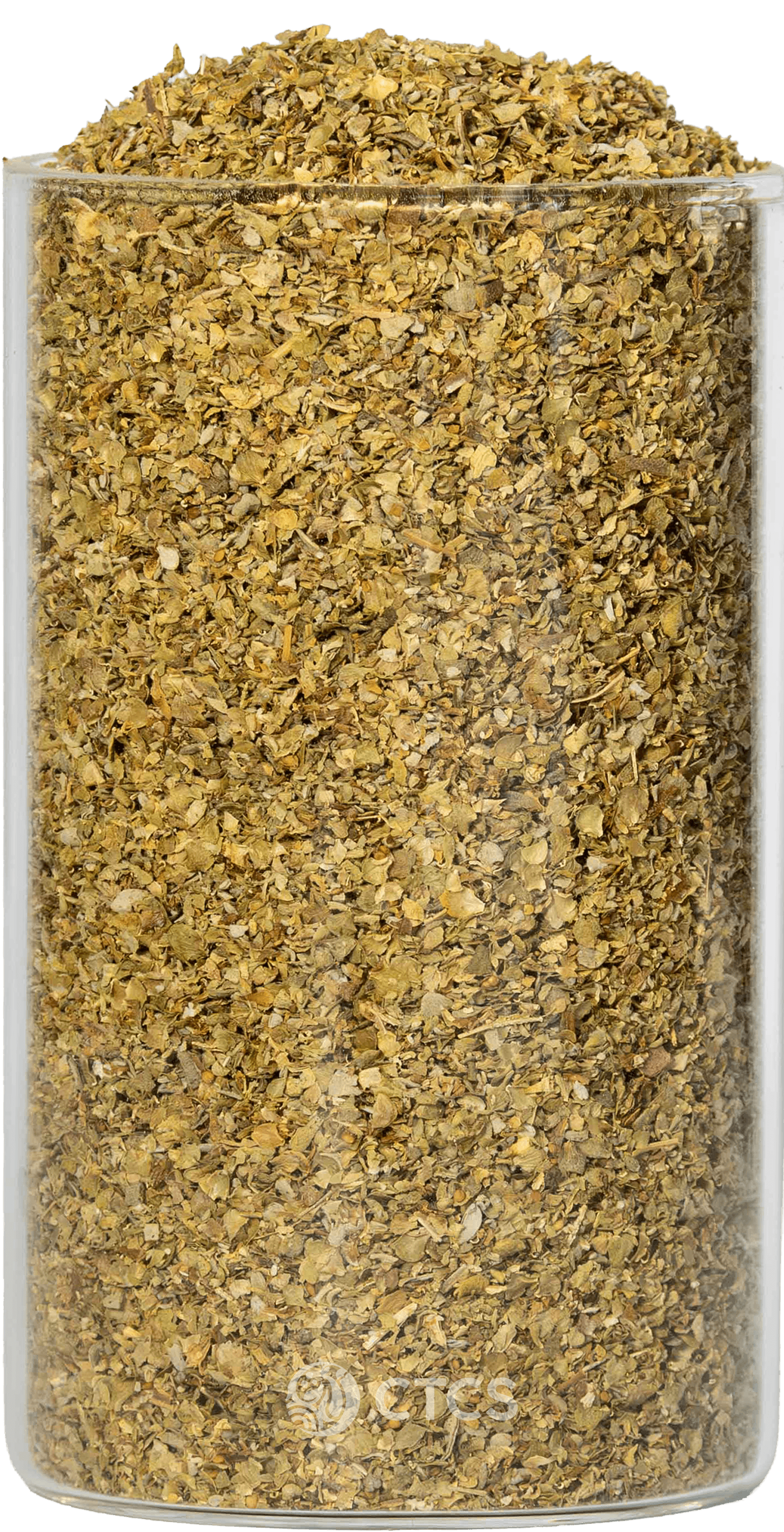
Finely ground laurel offers a convenient way to incorporate its flavor into recipes. The powder releases its aroma quickly, making it suitable for seasoning sauces, marinades, and spice blends.
Applications
Laurel is a versatile herb used in a variety of culinary applications. Whole laurel leaves are commonly used in slow-cooked dishes, such as soups and stews, where they add depth and complexity to the flavor profile. Ground laurel leaves are frequently used in sauces, marinades, and spice blends, providing a fragrant note that enhances both savory and sweet dishes.
Production
The production of laurel begins with the cultivation of the laurel tree, which thrives in well-drained soil and requires plenty of sunlight. Whole laurel leaves are harvested when they are fully mature and dry. After harvesting, the leaves can be used whole or ground into a fine powder, ready for culinary use.
Annual Harvest
Laurel is typically harvested once a year, with the timing depending on local climate and growing conditions. The best time for harvesting laurel leaves is usually in late summer to early autumn, ensuring they are fully developed and aromatic. Freshly harvested whole laurel leaves and ground laurel are best used soon after processing to preserve their flavor and aroma.