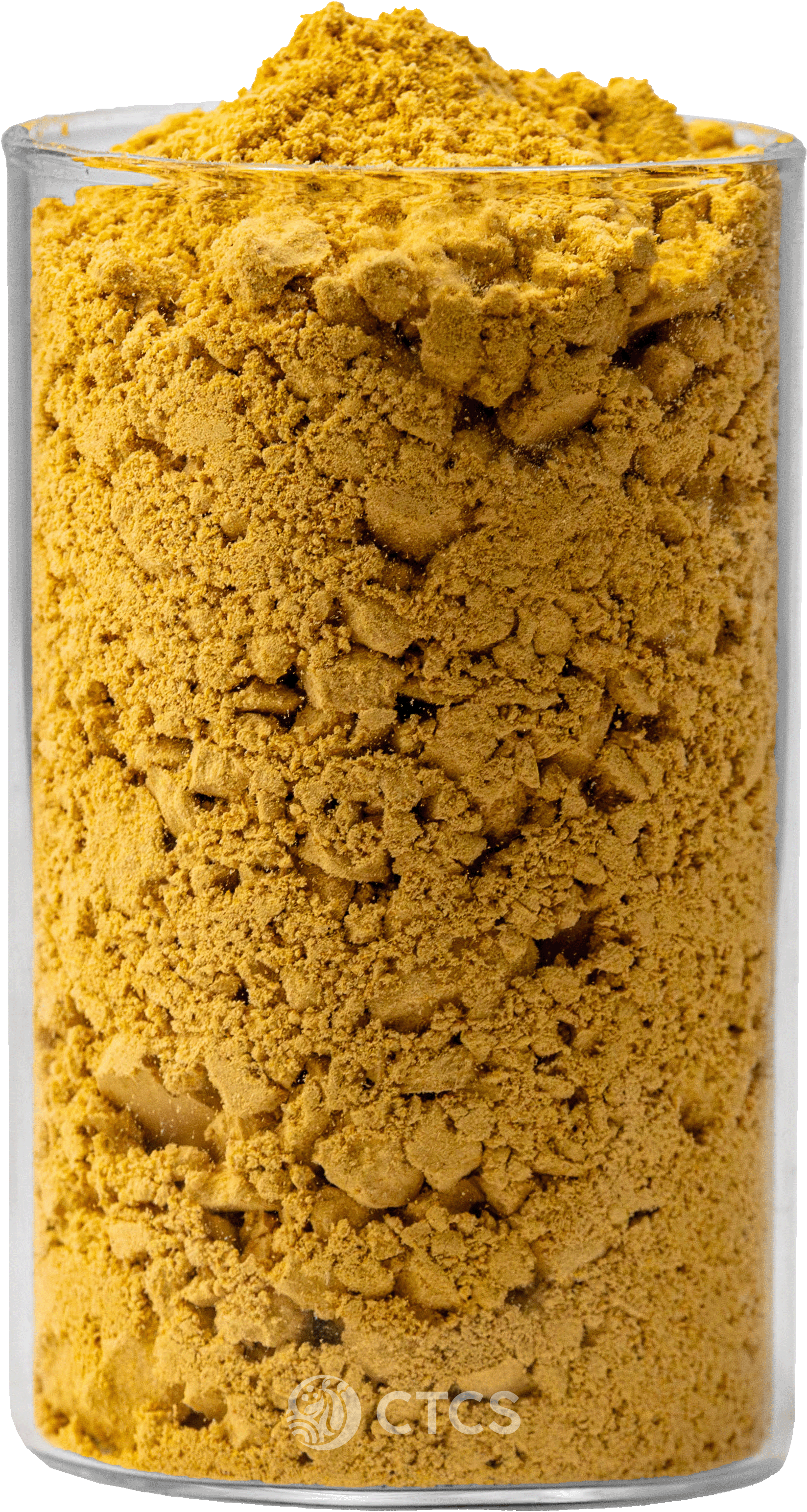
Fenugreek, derived from the seeds of the plant Trigonella foenum-graecum, originates from the Mediterranean region but is predominantly cultivated in India. India is known for its rich agricultural practices, which allow fenugreek to thrive and develop its distinctive flavor and aroma. The seeds are a key ingredient in many Indian dishes, adding a slightly bitter and nutty taste that enhances curries, lentil dishes, and pickles.
FENUGREEK
Origin
India
Varieties
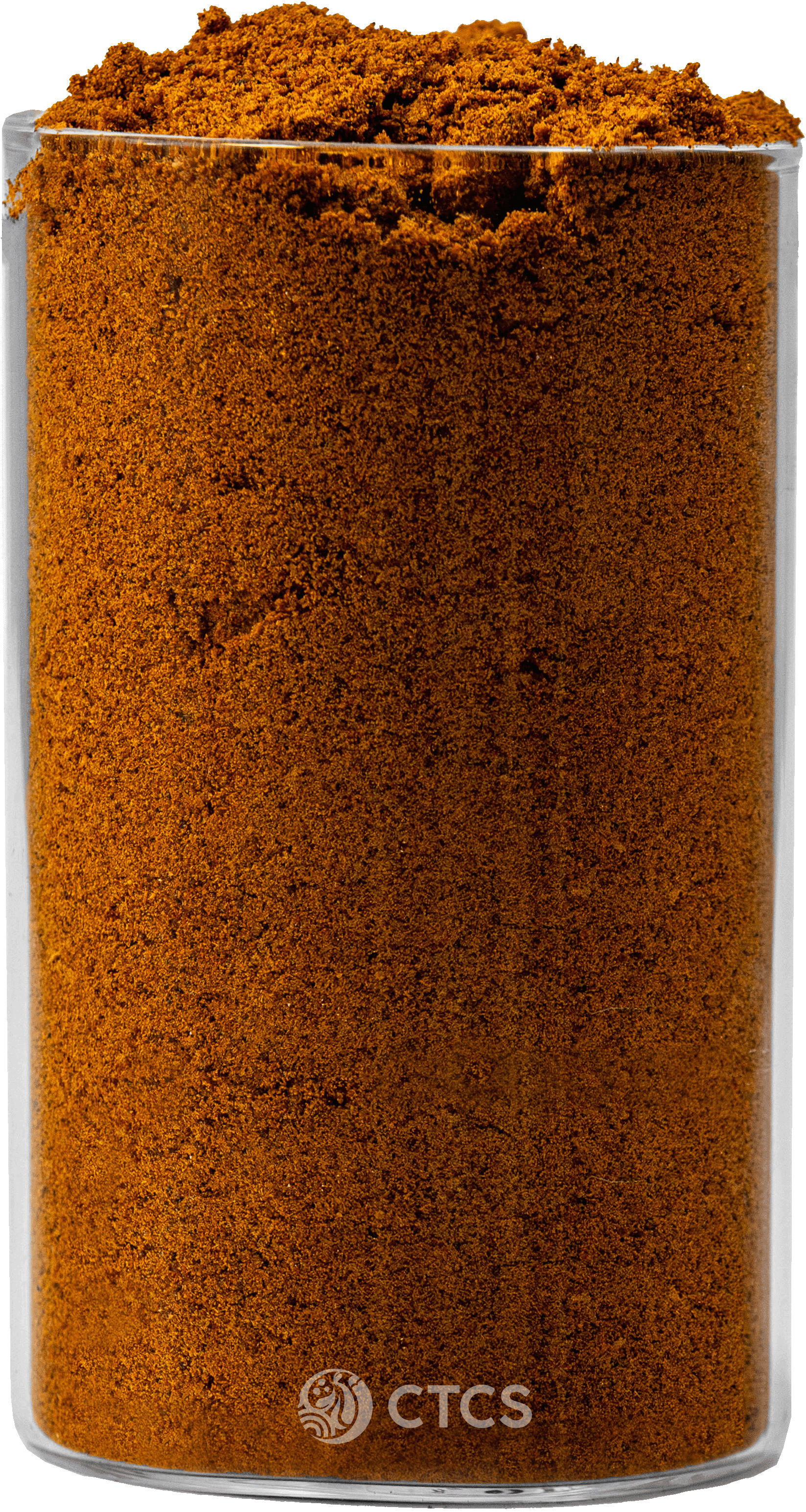
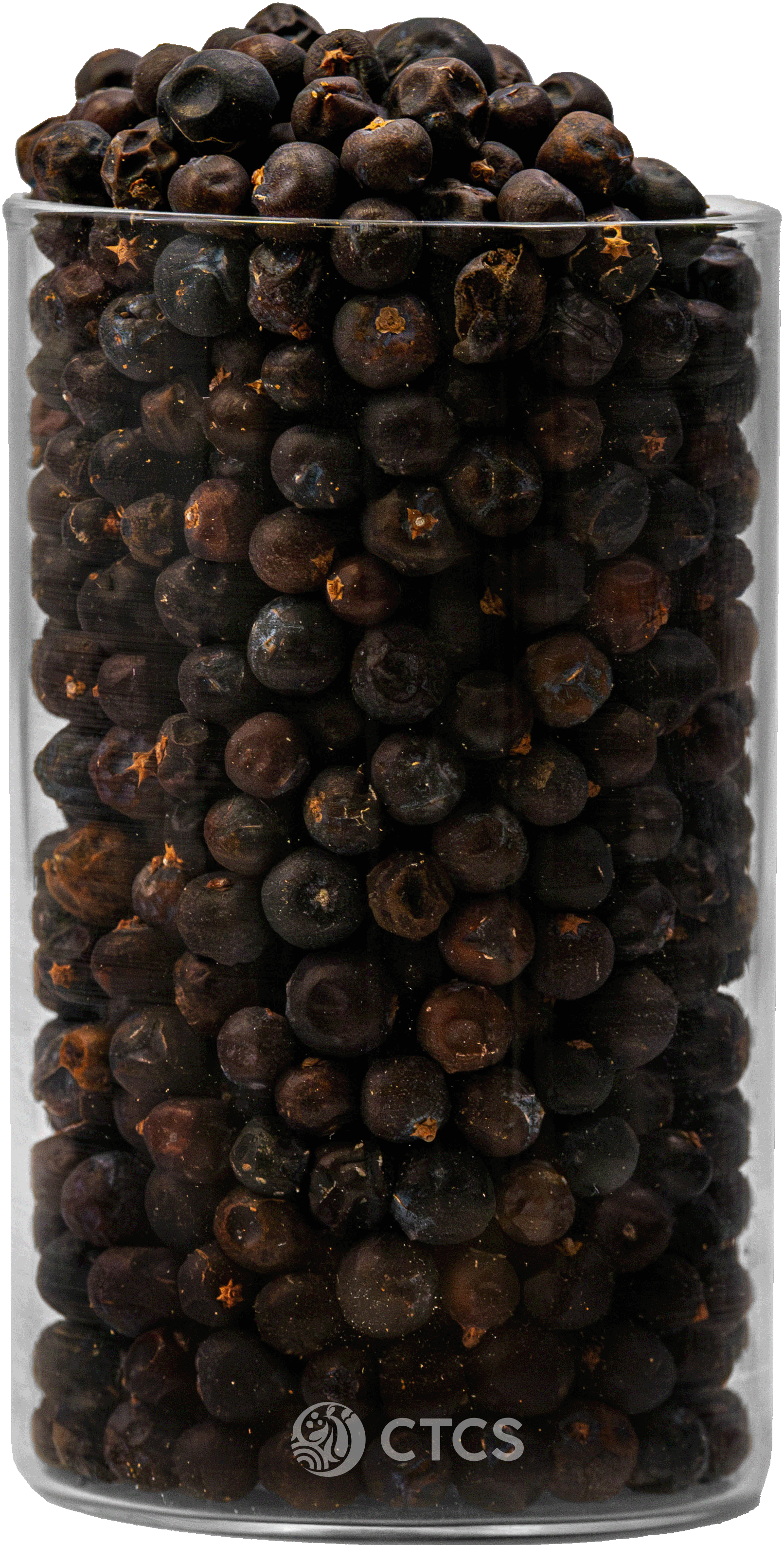
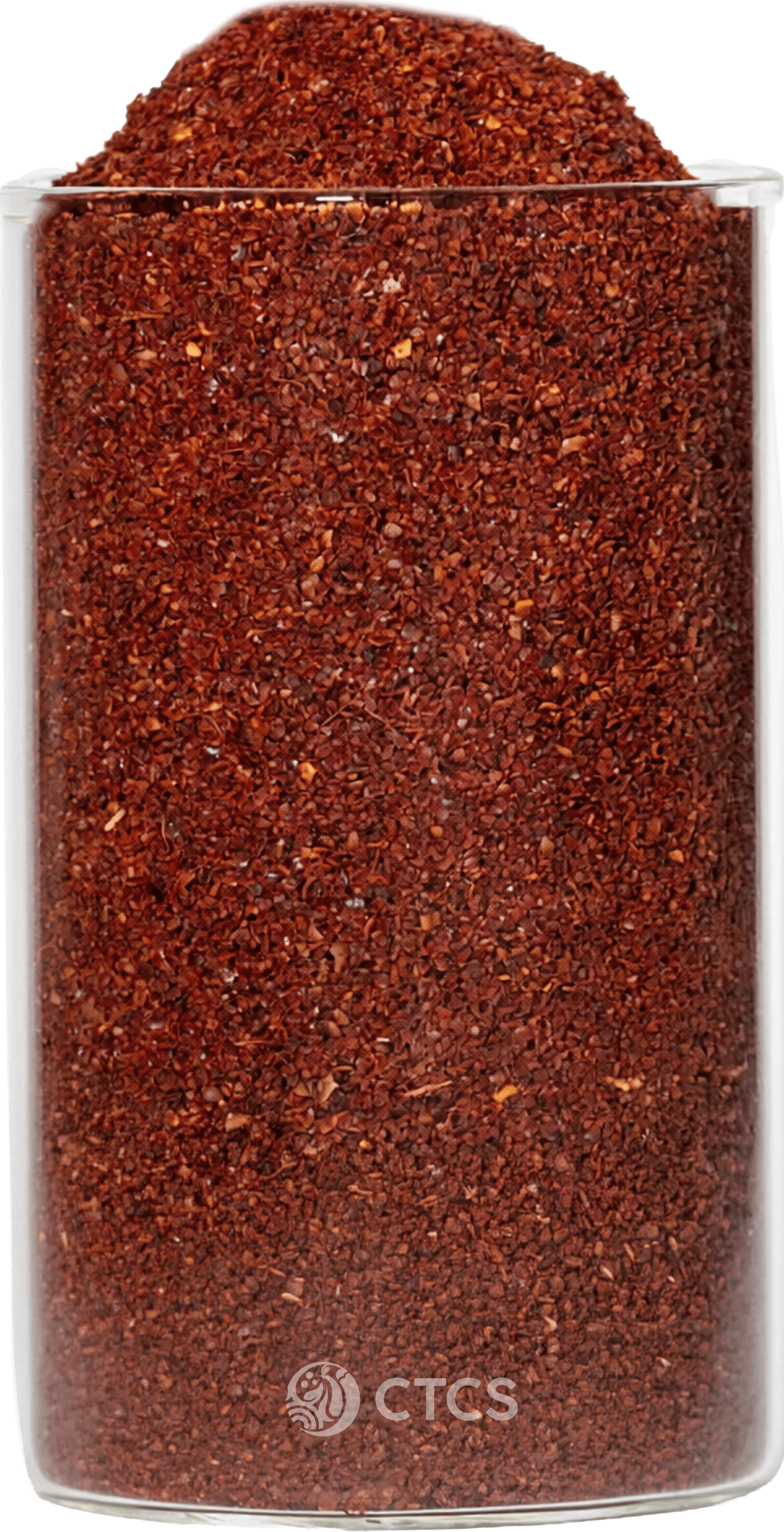
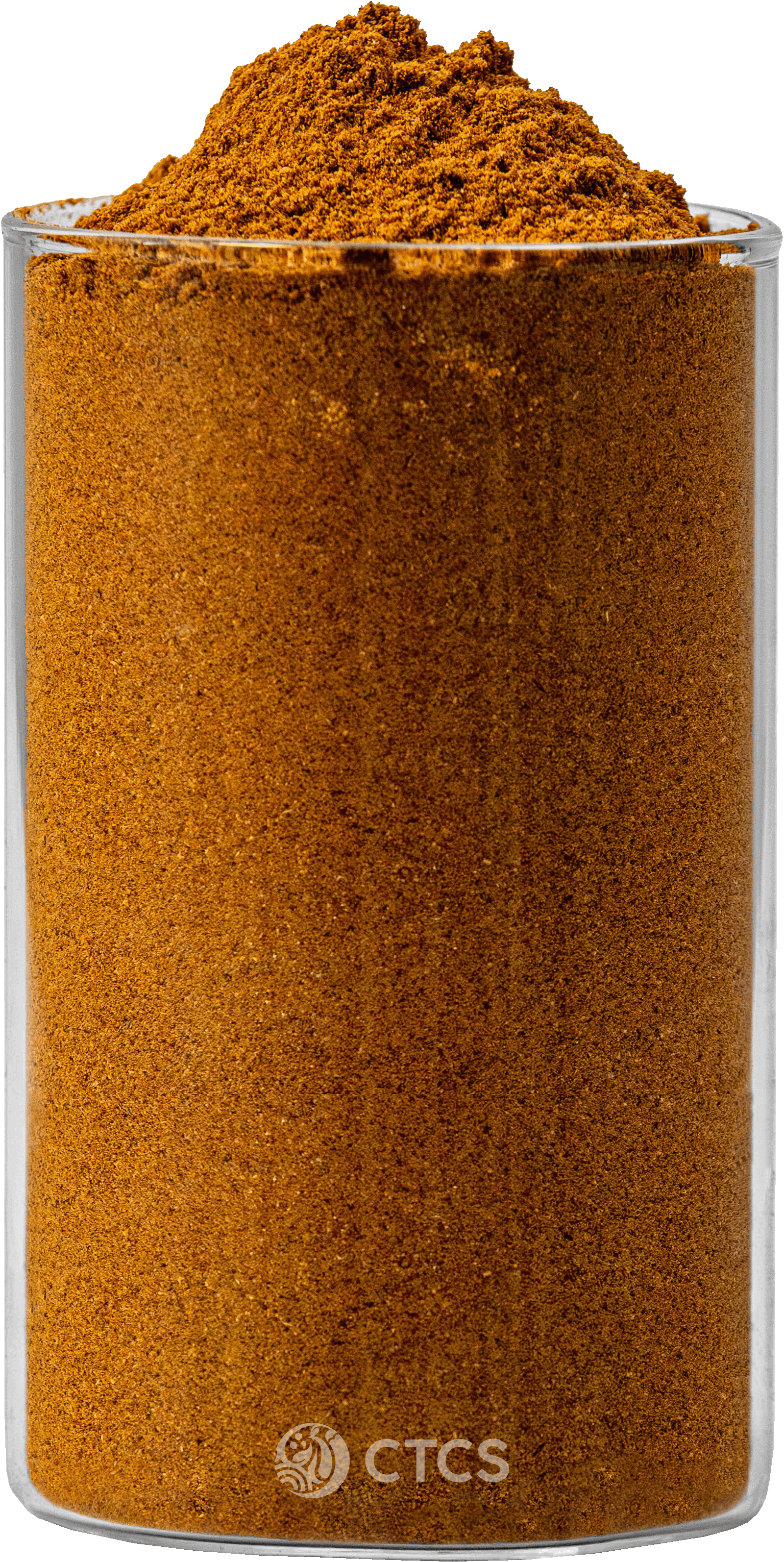
- Seeds: These small, hard seeds are typically used whole or ground into a powder. They have a strong flavor and are often toasted to enhance their aroma before use.
Applications
Fenugreek is a versatile spice widely used in Indian cuisine. It is commonly added to curries, spice blends (like garam masala), and pickles. The seeds are also used in various condiments and can be incorporated into marinades for meats, providing a unique flavor.
Production
The production of fenugreek begins with planting the seeds in well-drained soil during the cooler months. The plants grow to a height of about two feet and produce small yellow flowers. Once the pods mature, they are harvested and the seeds are separated for use.
Annual Harvest
Fenugreek is typically harvested once a year, with the harvesting period depending on the local climate and conditions. In India, the best time for harvesting is usually in late winter or early spring. The freshness and quality of fenugreek seeds are crucial for preserving their flavor and aroma in culinary applications.