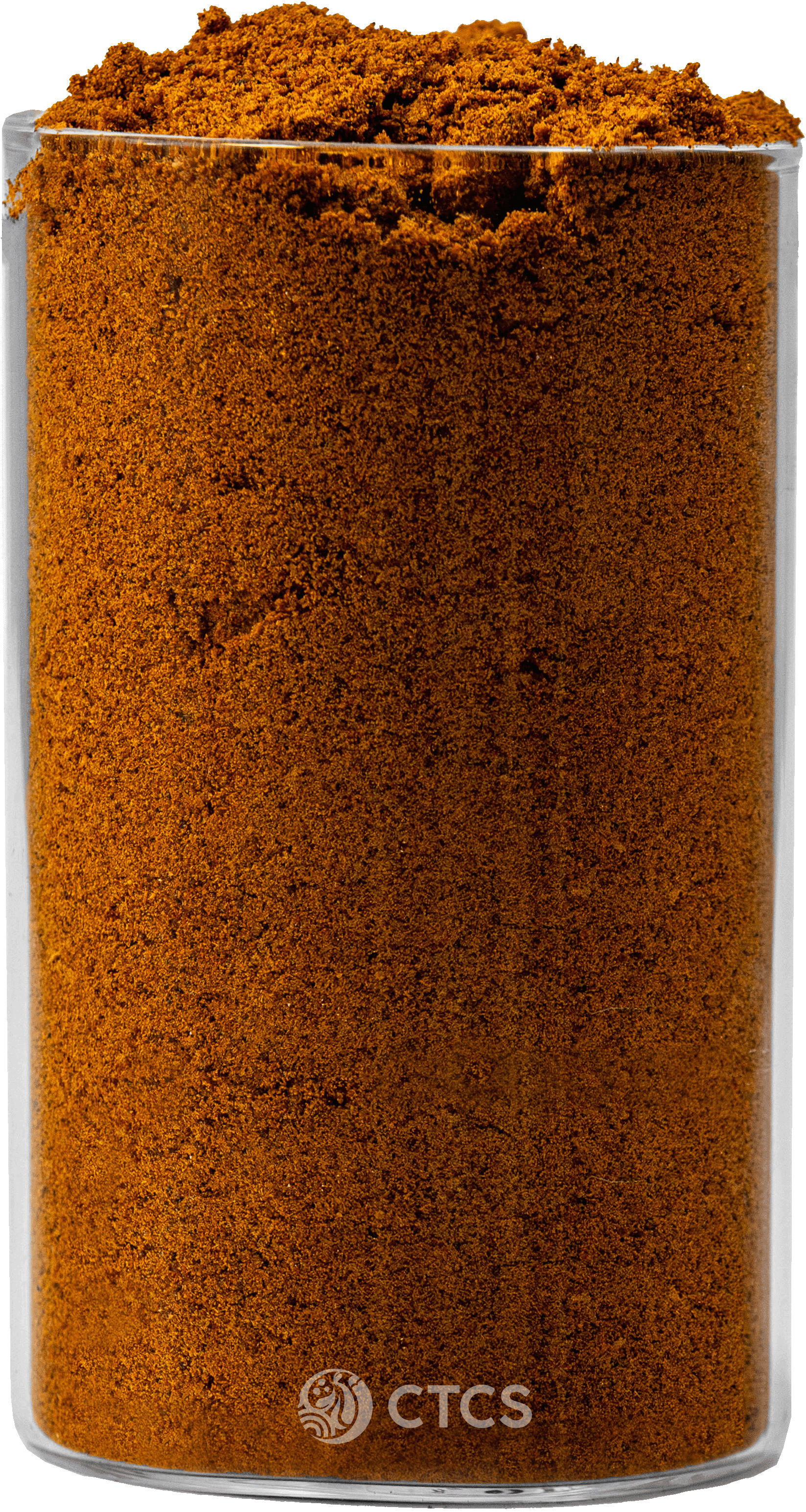
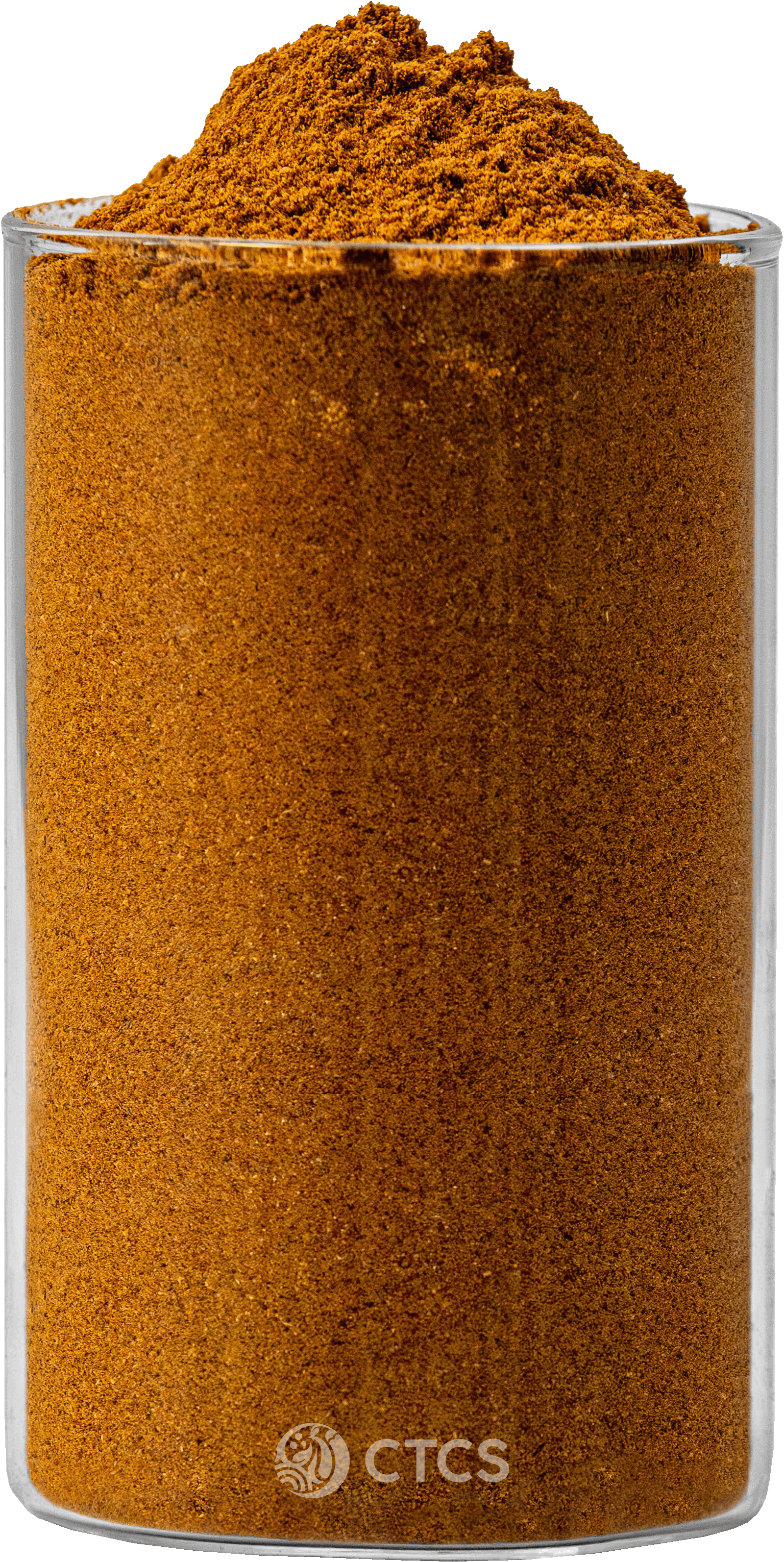
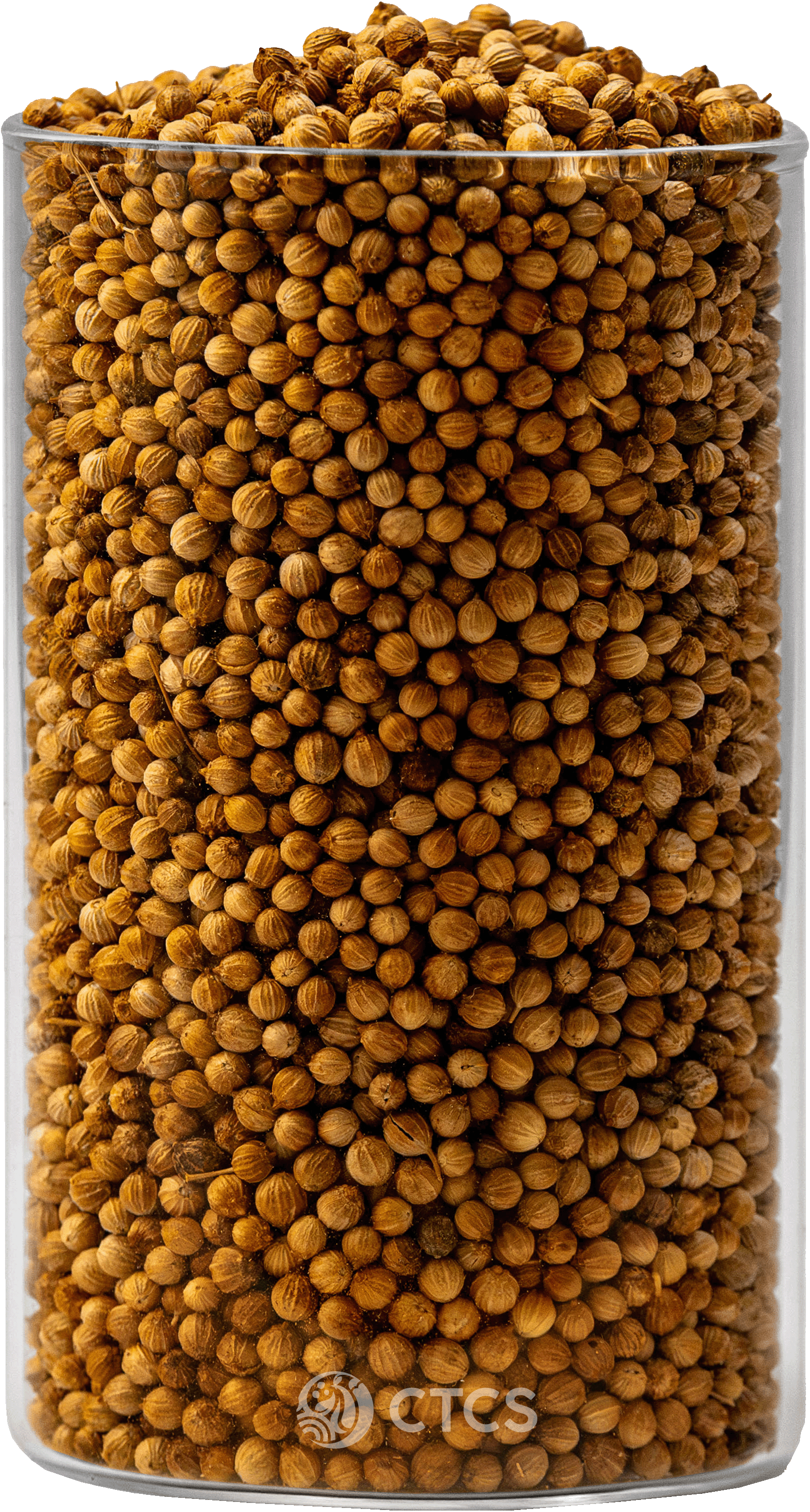
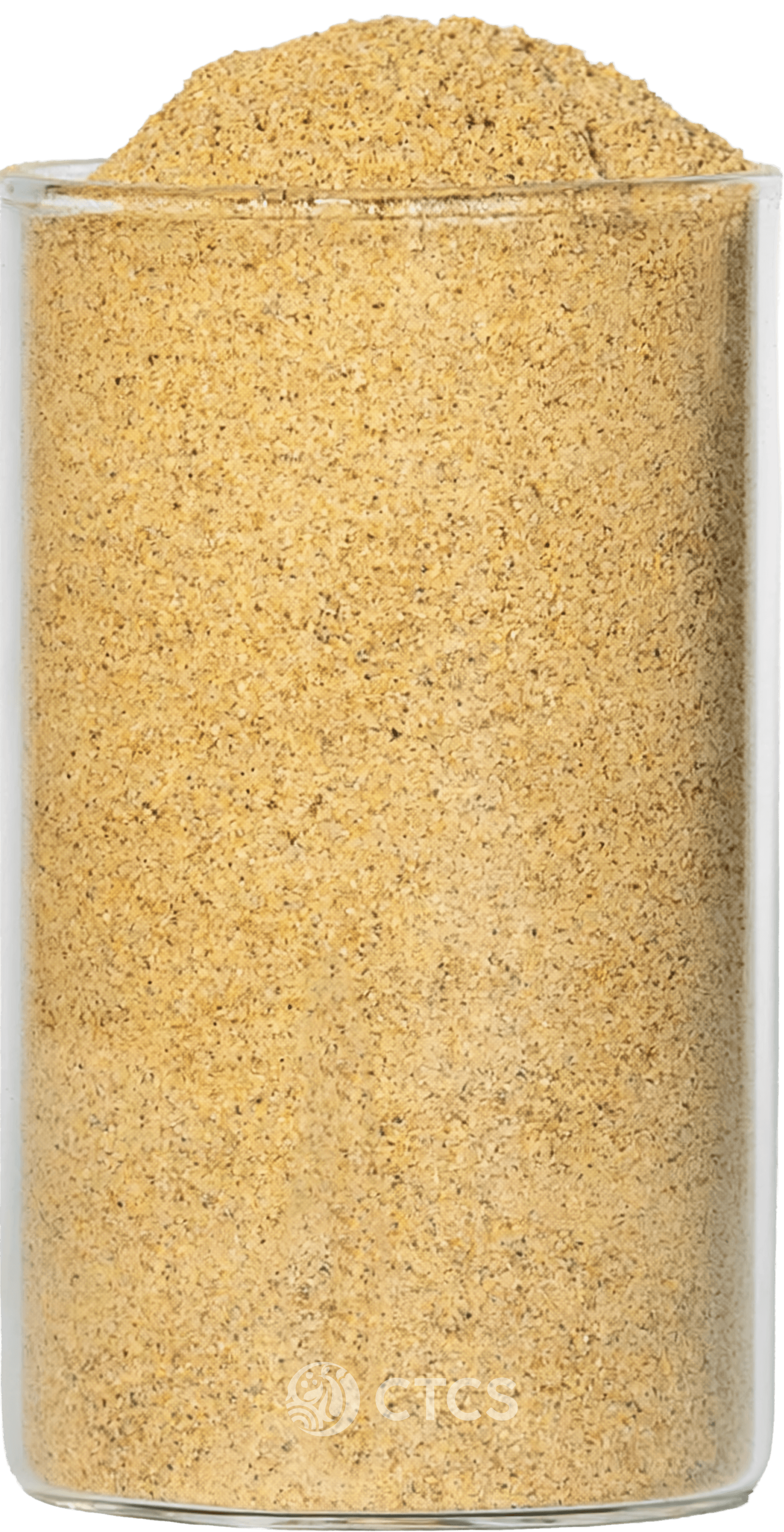
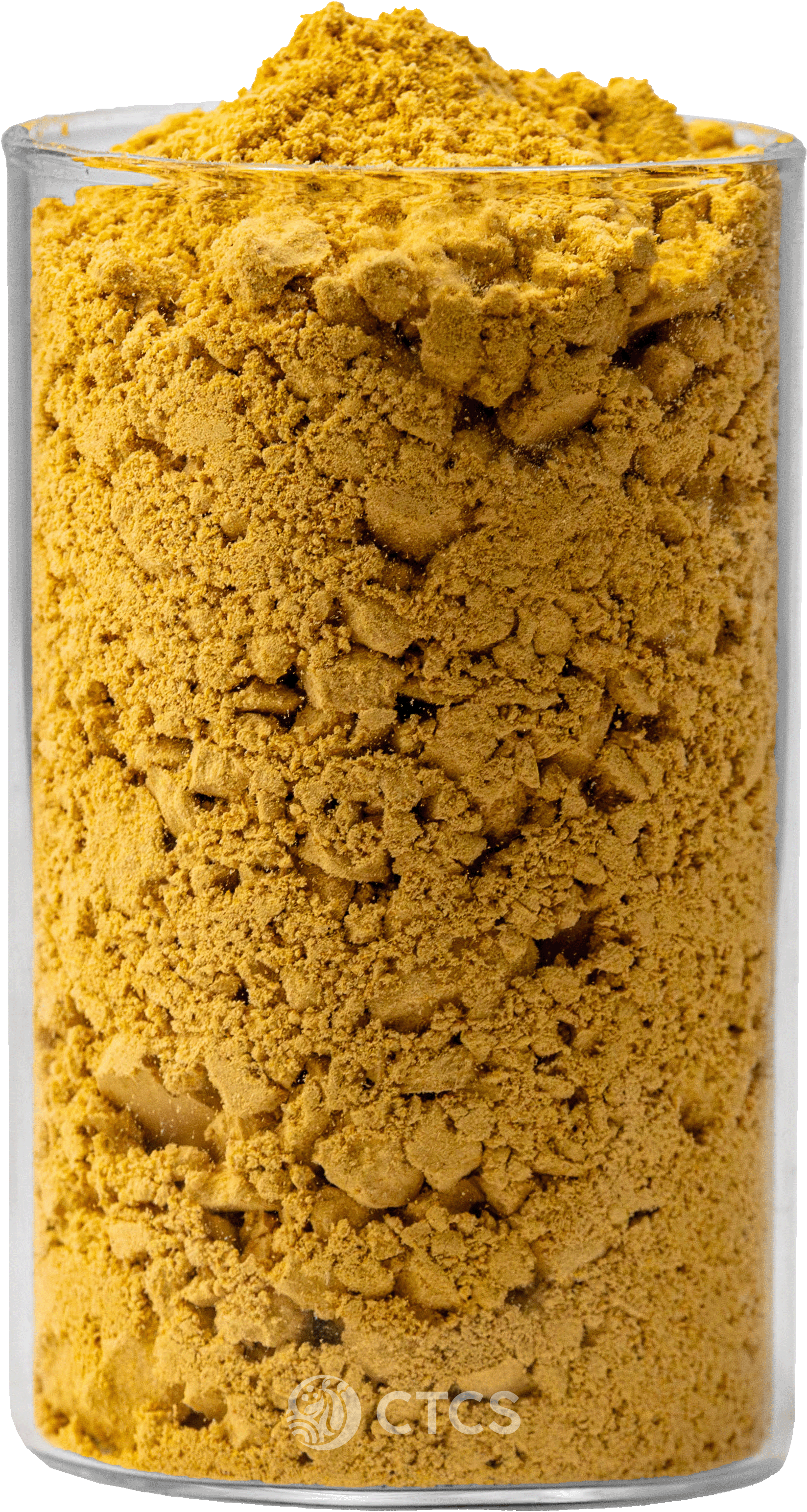
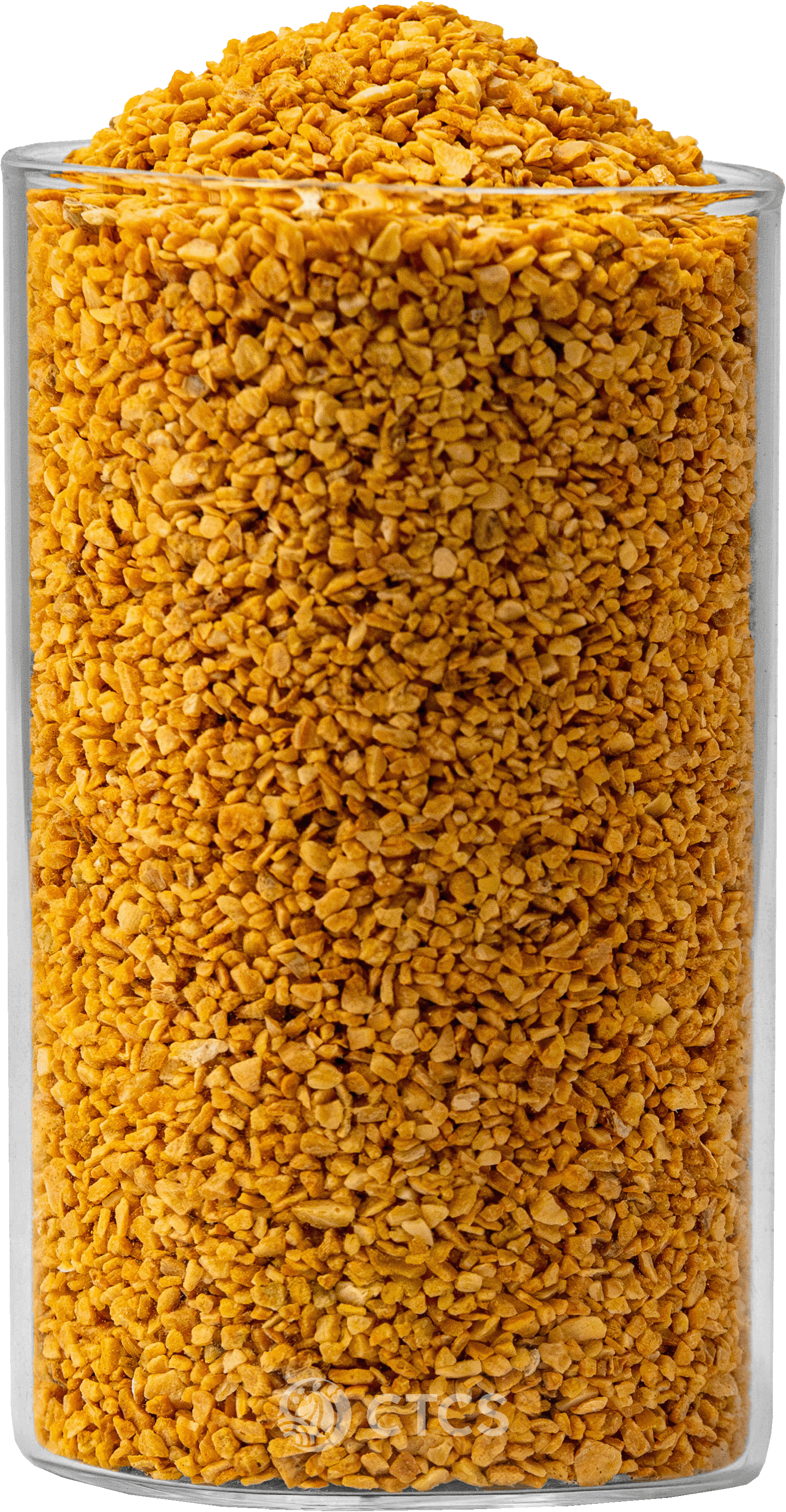
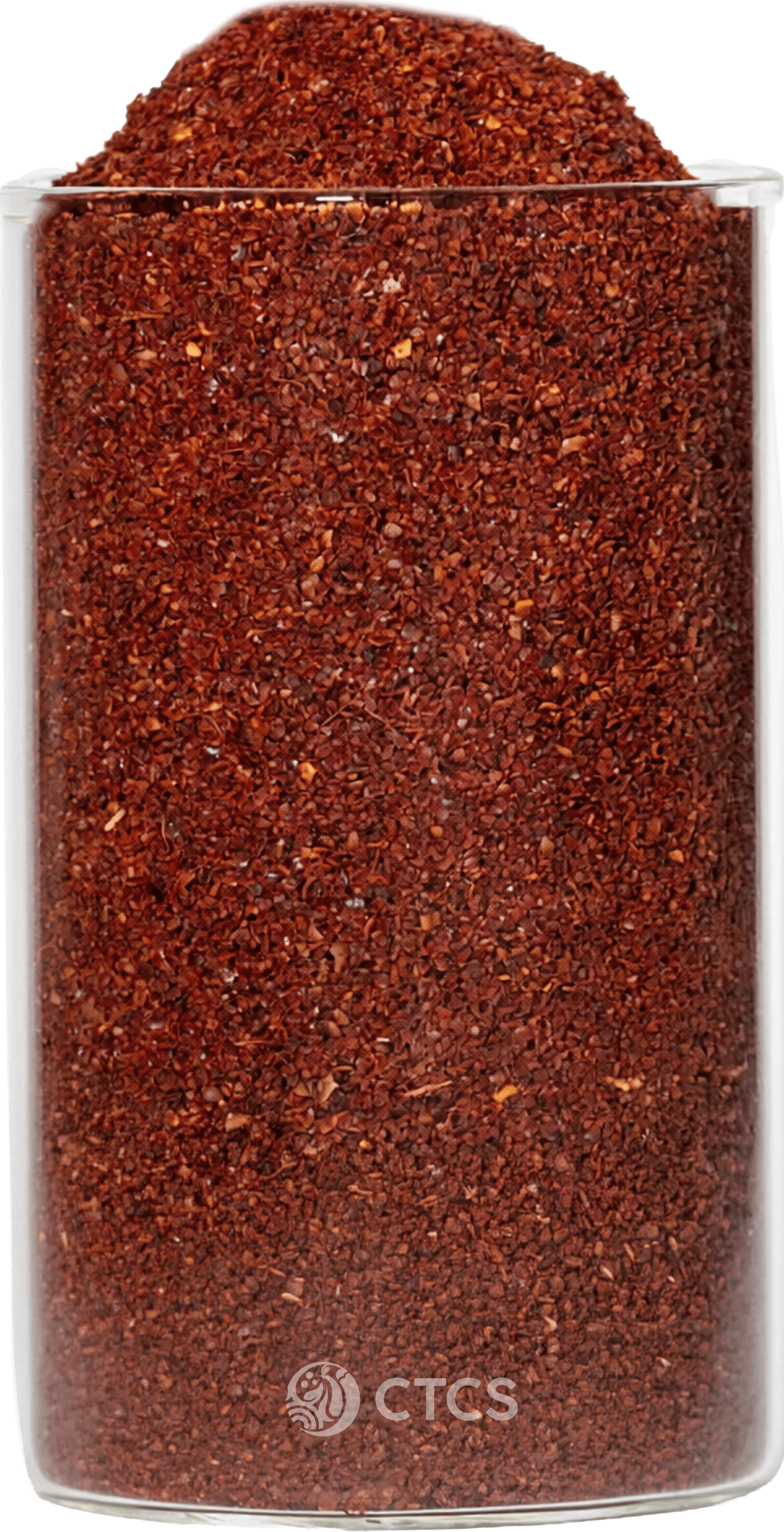
Sumac, derived from the dried berries of the Rhus plant, is a tangy spice known for its vibrant red hue and sour flavor. It is primarily cultivated in Turkey, where the warm climate and rich soils contribute to the spice’s distinctive taste. Sumac has been used in Middle Eastern and Mediterranean cuisines for centuries, valued for its ability to add acidity and depth to a variety of dishes.
SUMAC
Origin
Turkey
Varieties
Sumac is available in one main form:
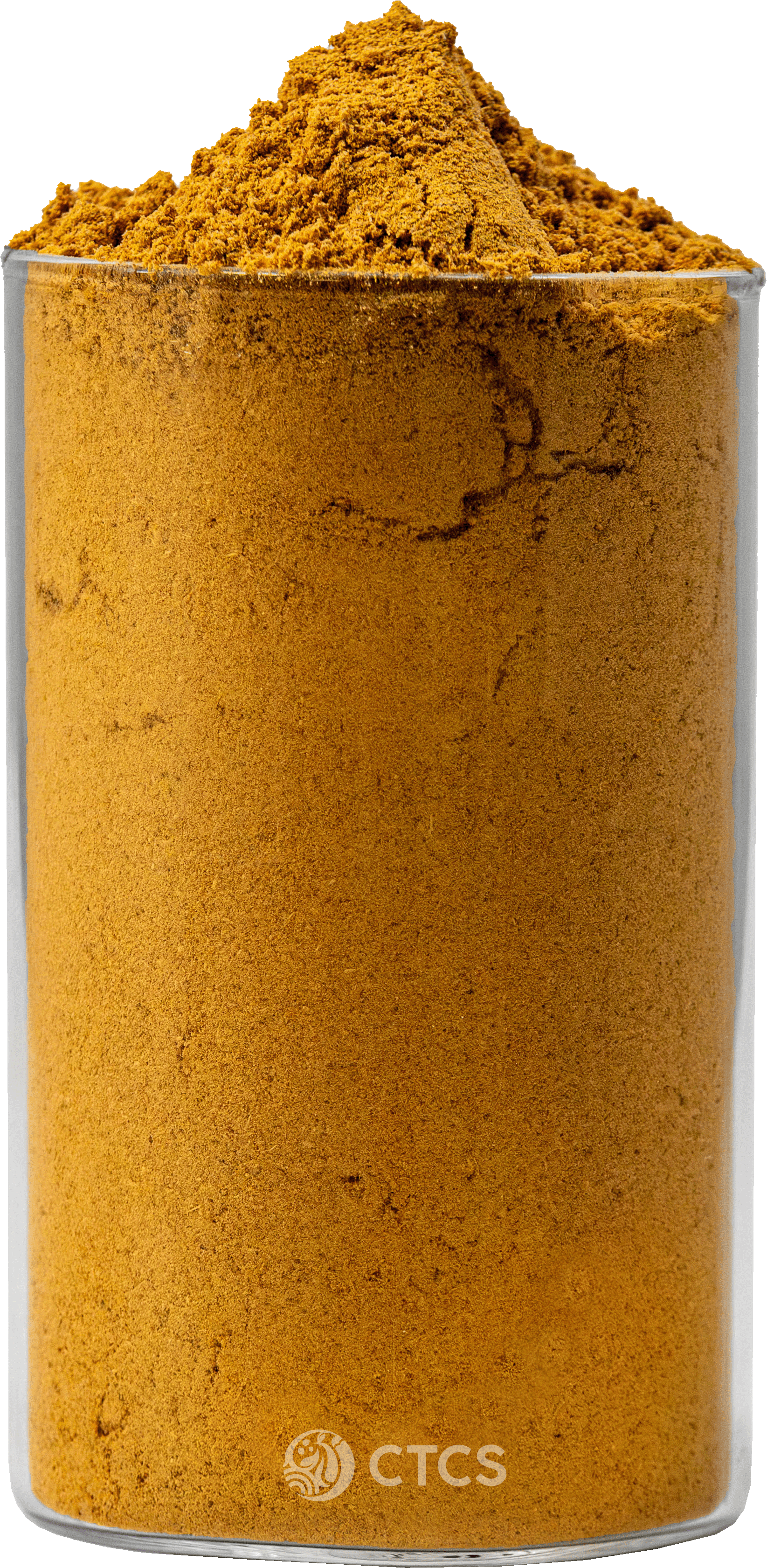
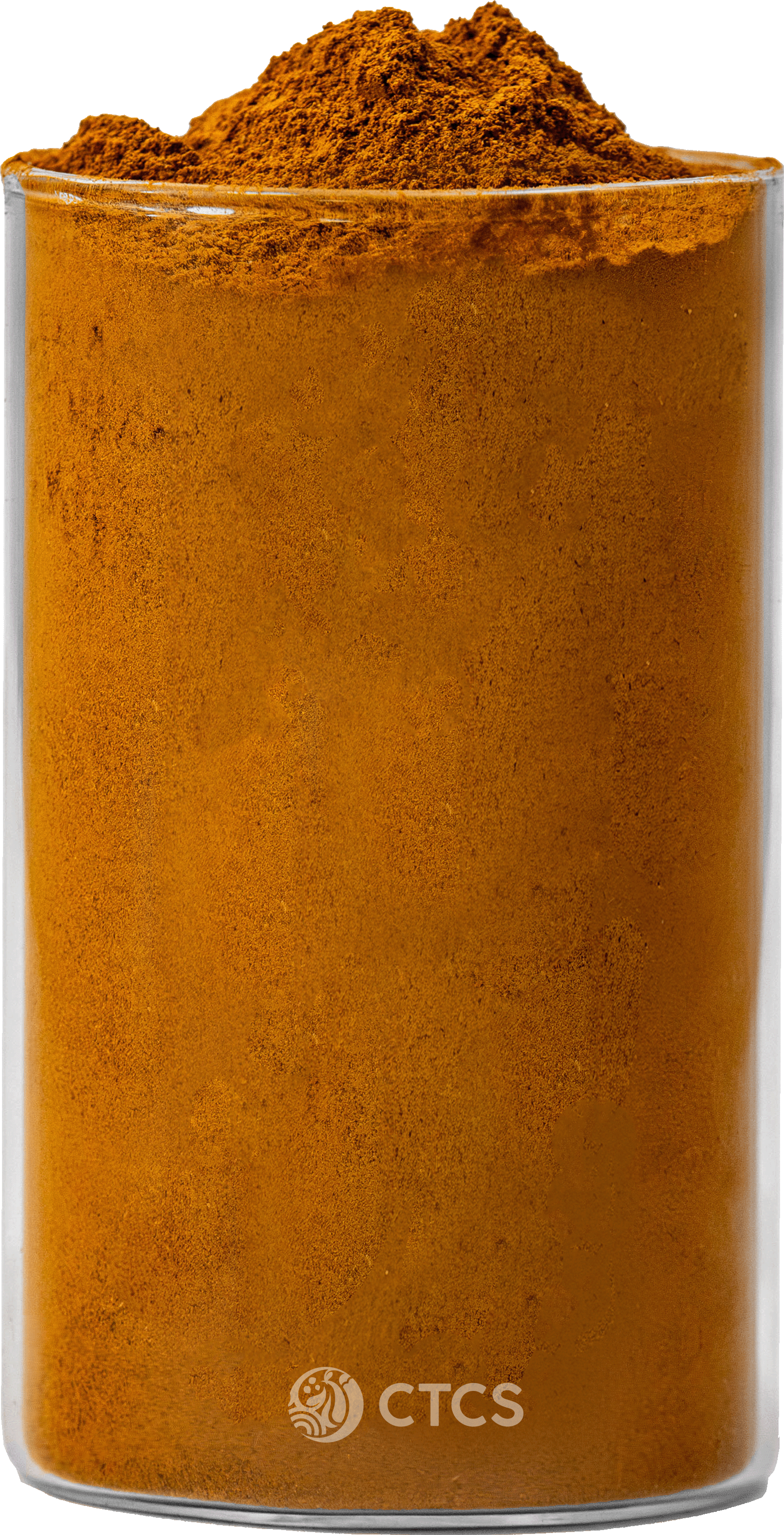
- Ground: Finely ground sumac offers a convenient way to incorporate its tart flavor into recipes. The powder is easy to sprinkle on dishes, providing an immediate burst of citrus-like acidity.
Applications
Ground sumac is a versatile spice used in a variety of culinary applications. It is commonly sprinkled on salads, grilled meats, and vegetables, enhancing their flavor with a refreshing tartness. Sumac is also frequently used in marinades, dressings, and spice blends, adding depth and brightness to dishes. Its unique flavor profile makes it a popular choice for flavoring hummus, rice, and roasted vegetables.
Production
The production of sumac begins with the harvesting of the sumac berries, which are gathered when they are fully ripe. The berries are then dried and ground into a fine powder, preserving their tart flavor and vibrant color for culinary use.
Annual Harvest
Sumac is typically harvested once a year, with the timing depending on local climate and growing conditions. The best time for harvesting sumac berries is usually in late summer to early fall, ensuring the berries are at their peak flavor. Freshly harvested ground sumac is best used soon after processing to maintain its tangy taste and vibrant color.